
Wenn Sie individuell gestaltete Taschen für den Einzelhandel, kommerzielle Kampagnen oder Firmengeschenke beschaffen, haben Sie das wahrscheinlich schon einmal erlebt: Der Stückpreis sah wettbewerbsfähig aus, aber bis die Ware in Ihrem Lager eintraf, war Ihre Gewinnspanne verschwunden.
Nach über 30 Jahren Erfahrung in der OEM/ODM-Taschenherstellung wissen wir, wie versteckte Kosten Budgets belasten und die Beziehungen zwischen Käufer und Lieferant schädigen. Hier sind die sechs häufigsten Fallstricke – und wie Sie sie vermeiden können.

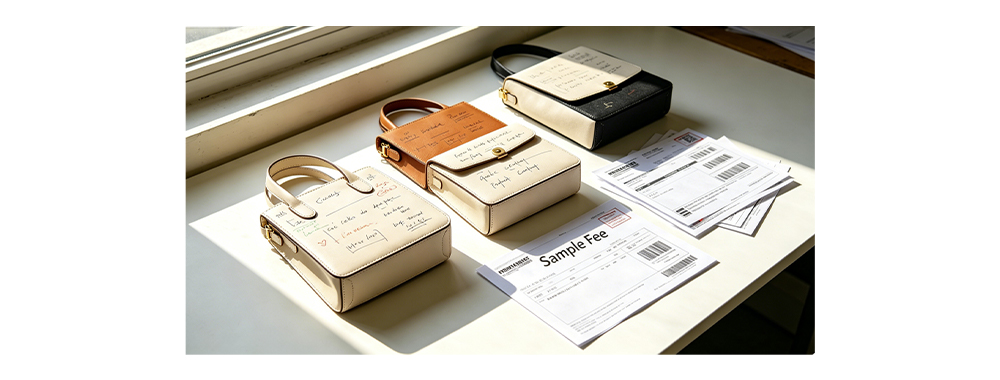
Die meisten Käufer planen mit ein oder zwei Prototypen. In der Realität sind jedoch oft drei bis fünf Durchgänge nötig, um die richtige Form, Haptik, Farbübereinstimmung und Funktionalität zu erreichen – bei komplexen Konstruktionen wie geformten Rucksäcken oder Reisetaschen mit mehreren Fächern manchmal sogar mehr.
Die versteckten Kosten:
Jede Probenänderung verursacht folgende Kosten:
Wie man es vermeiden kann:
Bevor Sie mit der Mustererstellung beginnen, sollten Sie sich ausreichend Zeit für eine detaillierte Abstimmung mit Ihrem Taschenhersteller bezüglich Materialien, Verarbeitung, Struktur und Qualitätsanforderungen nehmen. Ziel ist es, Ihre Designvorstellung bereits im ersten Muster so genau wie möglich umzusetzen und spätere Änderungen auf Details zu beschränken. Sollten Sie Bedenken bezüglich Materialien oder Farben haben, prüfen Sie Stoffmuster oder Farbkarten, bevor die Mustererstellung beginnt. Mit dieser sorgfältigen Vorbereitung können Sie die Anzahl der Musterrunden in der Regel um bis zu 60 % reduzieren.
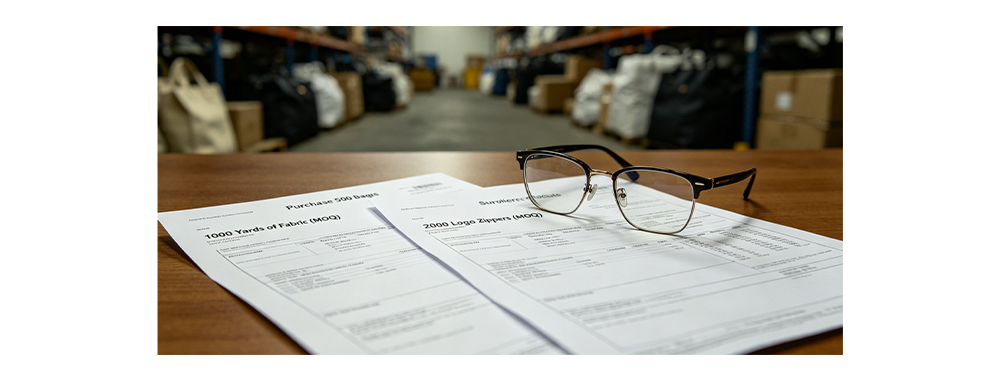
Sie benötigen 500 Taschen, aber Ihr Lederlieferant verlangt eine Mindestbestellmenge von 600 Yards. Die Mindestbestellmenge für Ihr Futter beträgt 1.000 Yards. Für Ihren individuellen Reißverschlussanhänger werden 2.000 Stück pro Form benötigt.
Die versteckten Kosten: Entweder Sie übernehmen die Mehrkosten für das Material und rechnen mit Ihrer Bestellung von 500 Einheiten (wodurch sich die Stückkosten um 20–40 % erhöhen), oder Sie bezahlen für unverkäufliche Ware, die im Lager des Werks liegen bleibt.
So vermeiden Sie das: Wählen Sie einen Hersteller mit gebündelter Einkaufsmacht und etablierten Lieferantenbeziehungen. Das hohe Auftragsvolumen des Taschenherstellers bei mehreren Kunden ermöglicht es ihm, mitunter niedrigere Mindestbestellmengen für Material zu erhalten oder lediglich eine geringe Färbegebühr für gewünschte Farben zu zahlen und regelmäßig benötigtes Material in seinen Lagerbestand aufzunehmen, wodurch Ihr Risiko minimiert wird.
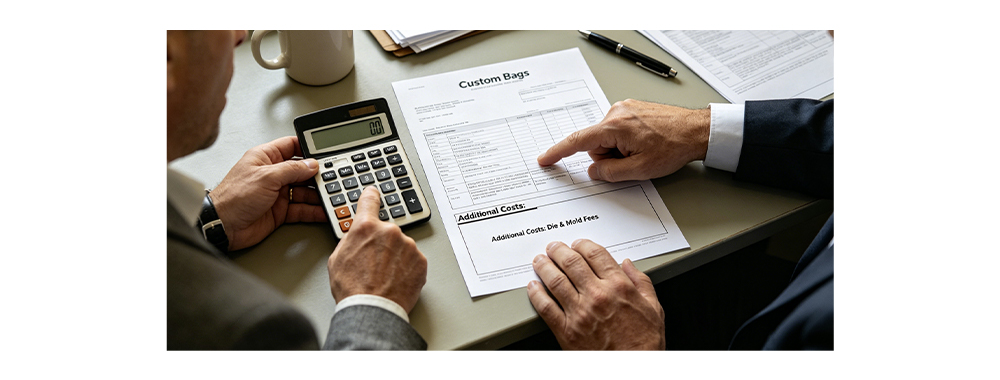
Maßgefertigte Taschen erfordern oft:
Die versteckten Kosten: In den Angeboten vieler Fabriken waren die Werkzeugkosten nicht aufgeführt oder wurden erst nach Bestätigung des Stückpreises und Auftragserteilung angegeben.
Wie man es vermeiden kann: Klären Sie die Werkzeugkosten im Voraus und fragen Sie, ob der Produktstückpreis die Amortisation der Werkzeugkosten beinhaltet. Falls nicht, bitten Sie den Lieferanten, die Kosten für Formen und Platten bereits im ersten Angebotsstadium aufzulisten, wenn kundenspezifische Logos vorhanden sind.
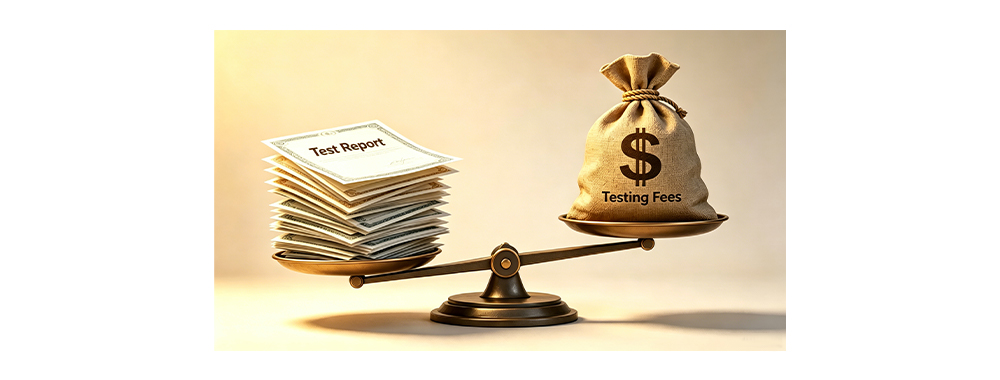
Auf Herstellerseite bedeutet die Bestätigung der Konformität von Produkten mit REACH, CPSC und CA Prop 65 nicht automatisch, dass ein Prüfbericht erstellt wird. Tatsächlich berücksichtigen Hersteller die Kosten für Produktprüfungen in der Regel nicht im Angebot, es sei denn, die Marken verlangen dies im Voraus. Die Prüfungen werden entweder vom Kunden durchgeführt oder vom Lieferanten an externe Labore gesendet, wobei die Kosten vom Käufer getragen werden.
Wie man es vermeiden kannArbeiten Sie mit einem Hersteller zusammen, der Folgendes versteht: Einhaltung der Zielmarktbestimmungen Vor Produktionsbeginn sollte geklärt werden, welche Partei für die Tests und die Testkosten zuständig ist.
Unterschiedliche Lieferbedingungen können unerwartete Kosten verursachen, die nicht sofort ersichtlich sind.
EXW — Ab Werk
Definition: Der Verkäufer schließt die Lieferung ab, indem er die Ware in seinen Geschäftsräumen (Werk, Lager oder Werkstatt) bereitstellt. Ab diesem Zeitpunkt trägt der Käufer alle Kosten und Risiken. Er muss die Abwicklung mit Spediteuren, Zollagenten und Transportunternehmen selbstständig koordinieren, was einen erheblichen Zeitaufwand und Koordinierungsaufwand mit sich bringt.
FOB – Frei an Bord
Der Verkäufer liefert die Ware zum vereinbarten Verschiffungshafen und verlädt sie auf das vom Käufer benannte Schiff. Risiko und alle nachfolgenden Transportkosten gehen auf den Käufer über, sobald die Ware die Reling des Schiffes passiert hat (bzw. an Bord verladen wurde).
Bei FOB-Lieferbedingungen bucht üblicherweise der Käufer das Schiff. Verzögert sich der Lieferant und erfordert dies eine Umbuchung oder führt es zu Containeraufbewahrung, gehen die damit verbundenen Liege- und Standgebühren zu Lasten des Käufers.
CIF – Kosten, Versicherung und Fracht
Definition: Der Verkäufer chartert das Schiff, bezahlt die Fracht bis zum Bestimmungshafen und schließt eine Transportversicherung mit Mindestdeckung ab. Das Risiko geht jedoch auf den Käufer über, sobald die Ware im Verschiffungshafen an Bord des Schiffes verladen wird.
DDU – Unverzollt geliefert
Definition: Der Verkäufer transportiert die Ware zum vom Käufer angegebenen Bestimmungsort (z. B. Lager), übernimmt jedoch weder die Einfuhrzollabfertigung noch die Zahlung der Zölle. Der Käufer ist für die Einfuhrabfertigung und alle anfallenden Steuern verantwortlich. Da DDU/DAP Zölle ausschließt, können Käufer, die mit der HS-Code-Klassifizierung nicht vertraut sind, mit unerwartet hohen Zöllen oder Inspektionskosten konfrontiert werden.
DDP – Geliefert verzollt
Definition: Der Verkäufer trägt alle Kosten und Risiken für die Lieferung der Ware an den vom Käufer benannten Ort, einschließlich Ausfuhrabfertigung, internationaler Fracht, Einfuhrabfertigung sowie aller Zölle und Steuern. Sollte der Lieferant Warenwerte zu niedrig angeben oder HS-Codes falsch klassifizieren, um Zölle zu minimieren, kann der Käufer – als rechtmäßiger Importeur – mit rückwirkenden Steuerfestsetzungen und Compliance-Risiken konfrontiert werden.
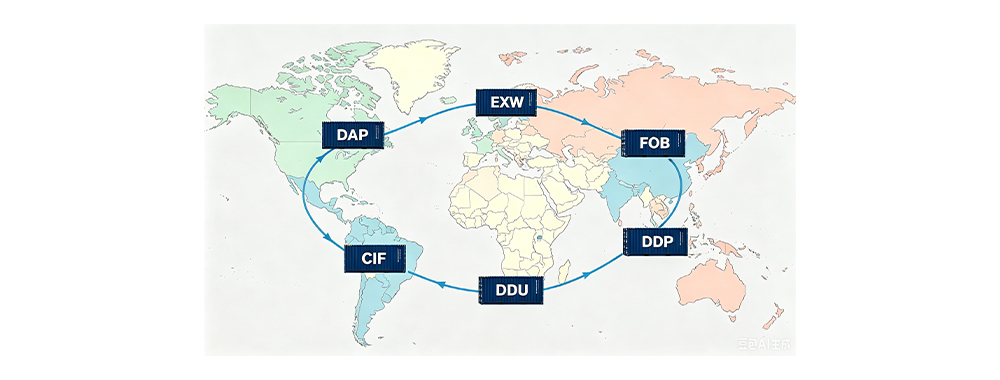
Dies sind die Kosten, die niemand in der Angebotsanfrage angibt, die aber den größten Anteil ausmachen.
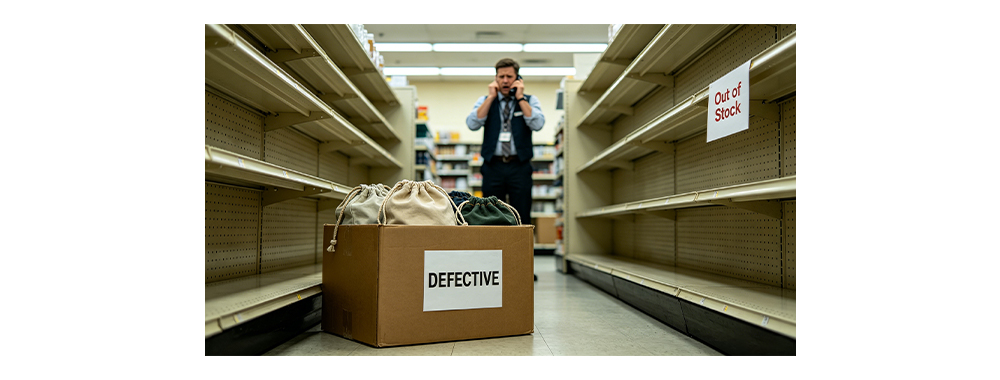
Wenn Ihre Großbestellung mit Farbabweichungen, defekten Reißverschlüssen oder falsch platziertem Logo eintrifft, sind Ihre Möglichkeiten begrenzt:
Die versteckten KostenNeben dem direkten finanziellen Schaden entstehen Kosten durch verlorene Regalfläche, enttäuschte Kunden und ein beschädigtes Vertrauen in die Lieferanten.
Wie man es vermeiden kannInvestieren Prävention statt Korrektur. Daher, Finden Sie den richtigen Taschenhersteller Die wichtigste Entscheidung vor Projektbeginn ist die Auswahl des richtigen Produkts. Ein mehrstufiges Qualitätskontrollsystem – inklusive Wareneingangsprüfung, Prozessüberprüfung in jedem Arbeitsschritt und 100%iger AQL-Prüfung vor dem Versand – soll Fehler erkennen, bevor die Produkte das Werk verlassen.
Die wahre Rechnung: Gesamtbetriebskosten
Kostenkategorie | Typische "versteckte" Auswirkungen | Idealer Ansatz |
Beispieliterationen | 500–2.000 US-Dollar + Zeitverlust | Strukturierte Entwicklung, weniger Runden |
Material-Mindestbestellmenge Überschuss | 20–40 % Stückkosteninflation | Gemeinsamer Einkauf, niedrigere Mindestbestellmengen |
Werkzeugamortisation | Im Stückpreis versteckt | Transparent geteilt |
Compliance & Logistik | Überraschungspreis: 0,50–2,00 $ pro Einheit | Vorgeplant, bereit fürs Ziel |
Nacharbeit / Rückruf | Potenziell katastrophal | Mehrstufige Qualitätskontrolle, Prävention an erster Stelle |
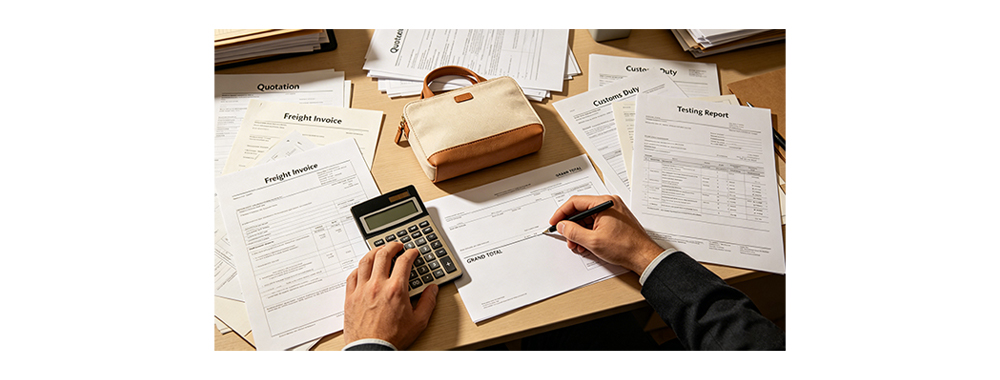
Der niedrigste Stückpreis führt oft zu den höchsten Gesamtkosten. Intelligente B2B-Einkäufer bewerten Lieferanten nach folgenden Kriterien: Vorhersagbarkeit der Landekosten Und Risikominderungnicht nur die Zahl auf dem Angebotsblatt.
Bei SYNBERRYWir sind überzeugt, dass Transparenz ein Wettbewerbsvorteil ist. Jedes unserer Angebote enthält eine detaillierte Aufschlüsselung der Formteile, der Stückkosten und der Logistikoptionen – damit Sie präzise planen und Ihre Gewinnspanne sichern können.
Fordern Sie ein transparentes Gesamtkostenangebot für Ihr nächstes individuelles Taschenprojekt an. Wir erstellen Ihnen eine vollständige Kostenaufstellung, bevor Sie die Produktion in Auftrag geben.
| Autor | ||||||
|
Bitte lesen Sie weiter, bleiben Sie auf dem Laufenden, abonnieren Sie uns und wir heißen Sie herzlich willkommen, uns Ihre Meinung mitzuteilen.




Copyright
@2024 Synberry Bag & Package Products Co.,Ltd Alle Rechte vorbehalten
.
 NETZWERK UNTERSTÜTZT
Sitemap / Blog / Xml / Datenschutzrichtlinie