
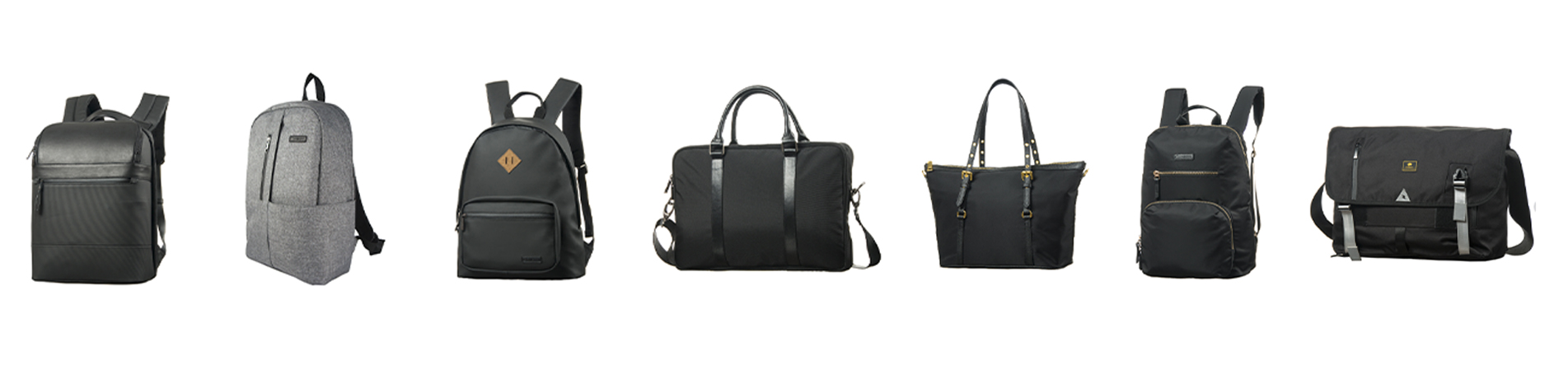
In einer Branche, in der sich Trendzyklen scheinbar von Saison zu Saison verkürzen, trotzen manche Handtaschen der Zeit. Sie überstehen nicht nur die Saisons – sie überdauern sie und bilden oft über Jahrzehnte hinweg das Rückgrat des Markenumsatzes.
Bei SYNBERRYWir betrachten diese Taschen nicht als modische Wunder. Wir betrachten sie als IngenieurleistungenHinter jedem „Klassiker“ steht eine Reihe wiederholbarer Fertigungsprinzipien, die jede Marke nutzen kann – vorausgesetzt, man arbeitet mit einem Hersteller zusammen, der diese Prinzipien versteht.
Dieser Leitfaden erklärt, was eine Handtasche wirklich zeitlos macht und wie Sie diese Prinzipien auf Ihre eigene Handtasche anwenden können. Eigenmarken- oder OEM-Kollektionen.
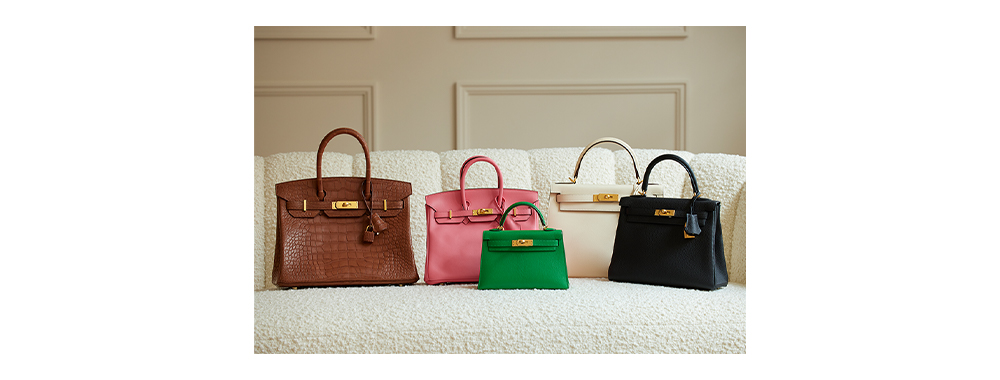
Bevor wir uns mit Nähten und Leder befassen, wollen wir uns dem wirtschaftlichen Aspekt widmen. Marken, die ihr Sortiment um 2–3 zeitlose Silhouetten herum aufbauen, genießen drei entscheidende Vorteile:
Die Frage ist nicht ob Ihre Marke sollte eine zeitlose Tasche haben. Die Frage ist: Wie um einen herzustellen.
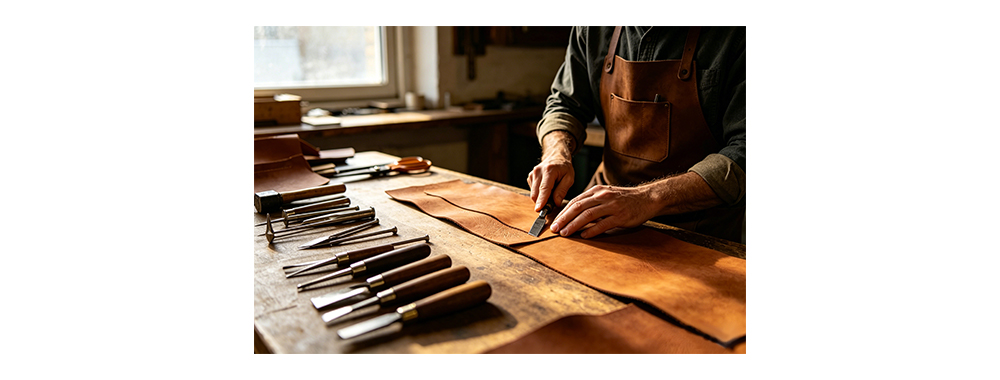
Nach eingehender Analyse der Konstruktion von Taschen, die seit 30, 50 oder sogar 100 Jahren relevant sind, haben wir fünf unverhandelbare Prinzipien identifiziert. Diese Standards wenden wir an, wenn SYNBERRY-Kunden uns mit der Entwicklung ihrer wichtigsten Modelle beauftragen.
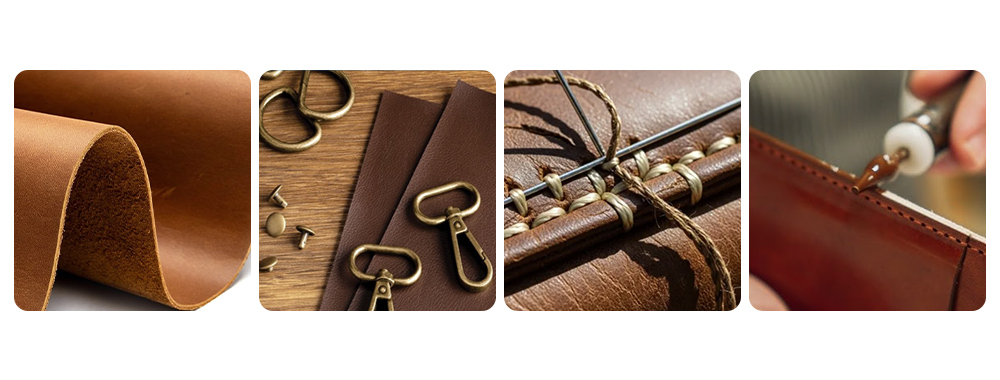
Der wichtigste Faktor für die Lebensdauer einer Tasche ist die Lederqualität, die beim Zuschnitt verwendet wurde.
Lederqualität | Eigenschaften | Am besten geeignet für |
Vollkorn (Oberschicht) | Behält die natürliche Maserung; entwickelt Patina; höchste Haltbarkeit | Tragetaschen, Aktentaschen und Umhängetaschen im Heritage-Stil, die für eine Nutzungsdauer von 5+ Jahren ausgelegt sind. |
Oberkorn (korrigiert) | Oberfläche leicht angeschliffen für ein gleichmäßiges Erscheinungsbild; ausgezeichnete Farbkonsistenz | Im mittleren Premiumsegment, wo die Konsistenz über verschiedene Chargen hinweg entscheidend ist. |
Spaltleder / PU-beschichtet | Preisgünstig; begrenztes Alterungspotenzial | Fast-Fashion- oder Aktionslinien mit kurzen Lebenszyklen |
Hinweis des Herstellers: Wenn Ihre Markenpositionierung auf das Großhandelssegment von 80 bis 200 US-Dollar abzielt, ist Vollnarbenleder nicht immer erforderlich. Die Qualität von Beschlägen, Nähten und Kantenversiegelung sollte jedoch weiterhin der von Premiumprodukten entsprechen. Wir unterstützen unsere Kunden dabei, die Materialspezifikationen an ihren angestrebten Einzelhandelspreis anzupassen, ohne Kompromisse bei der Stabilität einzugehen.
Ein Reißverschlussanhänger, der nach sechs Monaten anläuft, zerstört das Markenvertrauen schneller, als eine Marketingkampagne es wiederherstellen kann. Klassische Taschen verwenden ausnahmslos:
Bei SYNBERRY beziehen wir Hardware von zertifizierten Gießereien und können auf Anfrage Prüfberichte zur Beschichtung (Salzsprühtest, Haftungstest, Abriebtest) zur Verfügung stellen – eine wichtige Dokumentation, wenn Ihre Marke über Kaufhäuser oder europäische Einzelhändler vertrieben wird.
„SPI“ steht für Stitches Per Inch (Stiche pro Zoll). Es ist eine der ersten Kennzahlen, die unser QC-Team bei der Prüfung von Mustern überprüft.
Ebenso wichtig ist Stichkonsistenz: gerade Linien, keine Rücklaufspuren und gleichmäßige Spannung, damit der Faden bündig mit der Lederoberfläche abschließt und nicht einschneidet.
Für Taschen mit hohem Gewicht (Reisetaschen, Aktentaschen) empfehlen wir oft SattelstichEine handgenähte Technik mit zwei Nadeln und einem einzigen gewachsten Faden. Selbst wenn eine Naht reißt, halten die umliegenden Stiche. Sie ist zwar arbeitsintensiv, aber genau deshalb überdauern manche traditionelle Taschen Jahrzehnte.
Die Kantenbearbeitung ist der Punkt, an dem die handwerkliche Qualität der Fabrik sichtbar wird. Eine schlecht lackierte Kante – rissig, blasenbildend oder uneben – signalisiert sofort „Billigfertigung“.
Unser Standard für Kundenreferenzen umfasst Folgendes:
Zeitlose Taschen sind keine weichen Accessoires, sondern strukturierte Objekte.
Betrachten wir die Prinzipien hinter ikonischen Designs:
Wenn SYNBERRY anhand Ihrer Skizze oder Ihres Referenzmusters ein neues Design entwickelt, erstellt unser Schnittmusterteam ein 3D-Prototyp Zunächst prüfen wir die Lastverteilung, die Öffnungswinkel und das Drehmoment der Riemen, bevor wir das Leder für die Serienproduktion zuschneiden. Dieser Schritt verhindert spätere, kostspielige Nachbearbeitungen der Form.
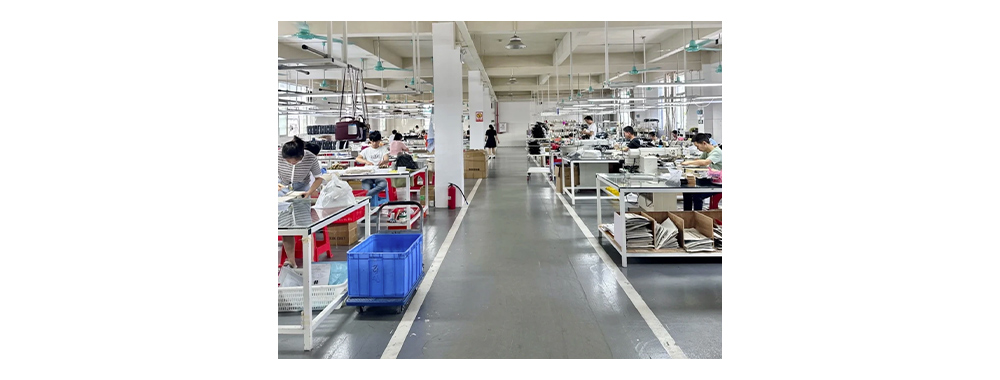
Man könnte leicht annehmen, dass nur europäische Ateliers „klassische“ Qualität herstellen können. Tatsächlich sind die Fertigungsprinzipien jedoch universell; lediglich der Umfang und die Lohnkosten unterscheiden sich.
So setzen wir Luxusbauprojekte in wirtschaftlich rentable B2B-Produktion um:
Luxuspraxis | SYNBERRY B2B-Anpassung |
Eine Kunsthandwerkerin näht eine Tasche von Anfang bis Ende. | Modulare Fertigung mit spezialisierten Näherinnen für bestimmte Nähte, überwacht durch strenge Inline-Qualitätskontrolle |
Eigene Gerbereien | Partnerschaften mit LWG-zertifizierten Gerbereien in Guangdong und Zhejiang, die vergleichbare Vollnarbenhäute anbieten |
Lebenslanger Reparaturservice | Design-for-Manufacturing (DFM)-Prüfungen, die die Reparierbarkeit von Anfang an in die Konstruktion einbeziehen |
Exklusivität aufgrund von Knappheit | Kontrollierte Mindestbestellmengen und saisonale Farbauszüge helfen Ihrer Marke, Knappheit zu managen. |
Ziel ist es nicht, eine Birkin oder eine Classic Flap zu kopieren. Ziel ist es, zu verstehen, warum diese Taschen so lange halten, und diese Logik dann auf die DNA Ihrer eigenen Marke anzuwenden.
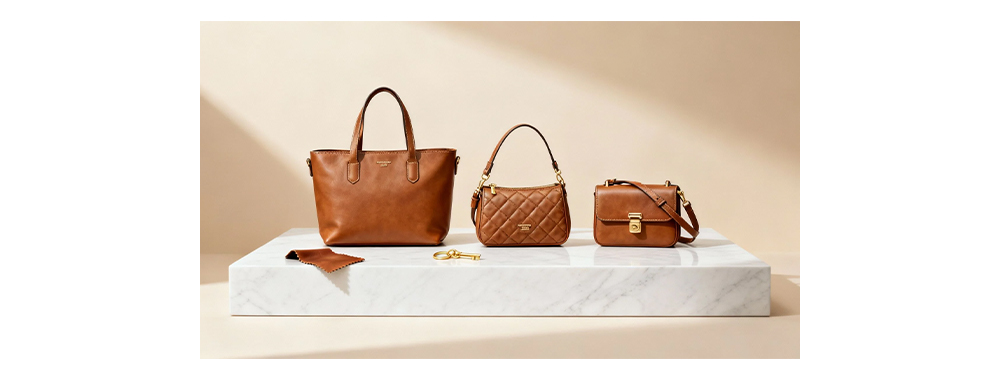
Klassisch bedeutet nicht statisch. Basierend auf aktuellen B2B-Bestellmustern und Rückmeldungen aus dem Einzelhandel zeichnen sich drei strukturelle Richtungen ab:
1. Architektonische Geometrie + Weiches Leder Man denke an den Loewe-Puzzle-Ansatz: komplexe Paneele, die visuelles Interesse wecken, ohne auf Logos angewiesen zu sein. Diese Designs erfordern hochpräzises digitales Schneiden und erfahrenen Schnittmachern. Wir haben in CAD-Schnittsysteme investiert, die die Prototypenfertigungszeit für geometrische Strukturen auf 5–7 Tage verkürzen.
2. Neuauflagen von Vintage-Modellen mit modernen Verbesserungen Kunden bitten uns häufig, „Archiv“-Modelle aus den 1990er- oder frühen 2000er-Jahren mit Verbesserungen neu aufzulegen: gepolsterte Laptopfächer, RFID-Schutztaschen oder verstellbare Schultergurte. Diese „Retro-Modern“-Kombination ist ein bewährter Verkaufsschlager.
3. Entspannte Haltung („Slouchy“ richtig gemacht) Der Trend zu „stillem Luxus“ hat weichere, weniger steife Taschen salonfähig gemacht. „Weich“ bedeutet jedoch nicht „schlaff“. Wir verwenden interne Verstärkungen – leichte, verklebte Zwischenfutter oder versteckte Bodenverstärkungen –, damit die Tasche elegant fällt, anstatt zusammenzusacken.
Wenn Sie als Markeninhaber, Einkäufer oder Produktentwickler dies lesen, finden Sie hier eine Beschreibung des Entwicklungsprozesses bei einer gemeinsamen Kernkollektion:
Typische Entwicklungsvorlaufzeit: 14–21 Tage für den ersten Prototypen. Die Lieferzeit für die Serienproduktion variiert je nach Komplexität und Auftragsvolumen; wir stellen Ihnen im Angebot einen transparenten Produktionsplan zur Verfügung.
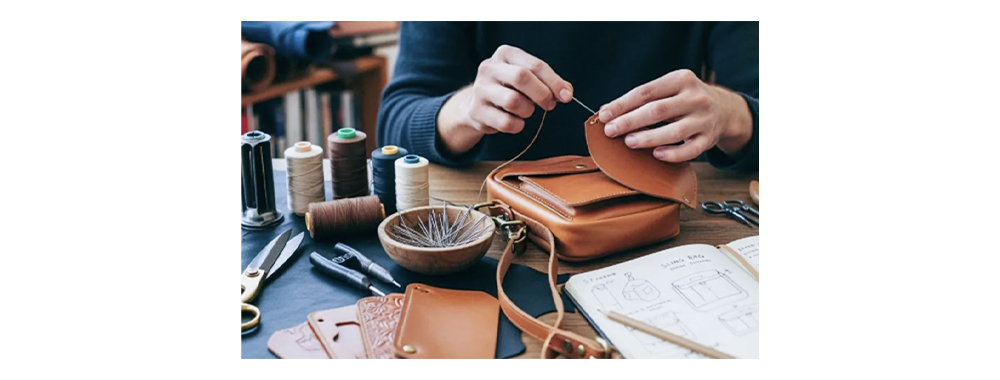
Eine zeitlose Handtasche ist kein Zufall. Sie ist das Ergebnis sorgfältiger Materialauswahl, präziser Konstruktion und disziplinierter Fertigung.
Wenn Sie Ihre nächste Kollektion planen und einen Fertigungspartner suchen, der „klassische Qualität“ als technische Spezifikation und nicht als Marketingphrase betrachtet, würden wir uns über ein Gespräch freuen.
Kontaktieren Sie SYNBERRY noch heute. Um Ihr Design zu besprechen, Materialmuster anzufordern oder ein detailliertes Angebot für Mustererstellung und Produktion zu erhalten.
Lasst uns etwas schaffen, das die Saison überdauert.
| Autor | ||||||
|
Bitte lesen Sie weiter, bleiben Sie auf dem Laufenden, abonnieren Sie uns und wir heißen Sie herzlich willkommen, uns Ihre Meinung mitzuteilen.




Copyright
@2024 Synberry Bag & Package Products Co.,Ltd Alle Rechte vorbehalten
.
 NETZWERK UNTERSTÜTZT
Sitemap / Blog / Xml / Datenschutzrichtlinie