
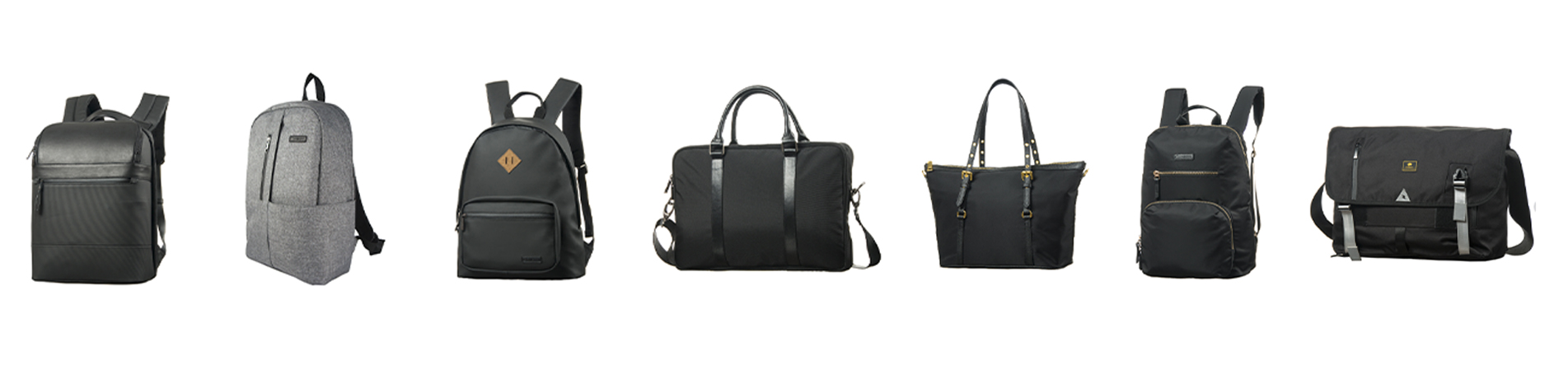
Bei der Individualisierung von Taschen konzentrieren sich viele B2B-Einkäufer ausschließlich auf das Außenmaterial und vernachlässigen dabei die Auswahl des Futters. Das Futter bestimmt nicht nur die Haptik und Optik der Tasche, sondern beeinflusst indirekt auch deren Langlebigkeit, Funktionalität und die insgesamt wahrgenommene Qualität.
Als professioneller Taschenhersteller beschreibt dieser Artikel systematisch 16 verschiedene Futtermaterialien für Taschen, darunter Twill-Nylon, Pfirsichhaut, Shantung, Wildleder, Leinen und weitere branchenübliche Optionen. Dieser Leitfaden unterstützt B2B-Einkäufer bei der optimalen Entscheidungsfindung hinsichtlich Produktpositionierung, Budget und funktionalen Anforderungen.
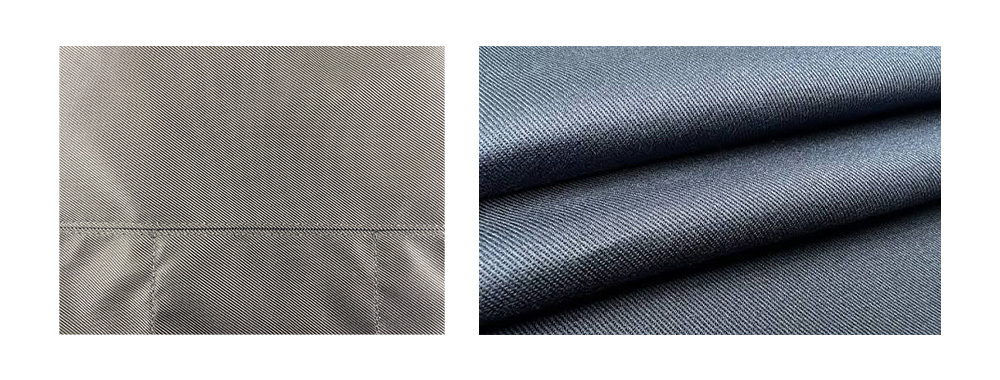
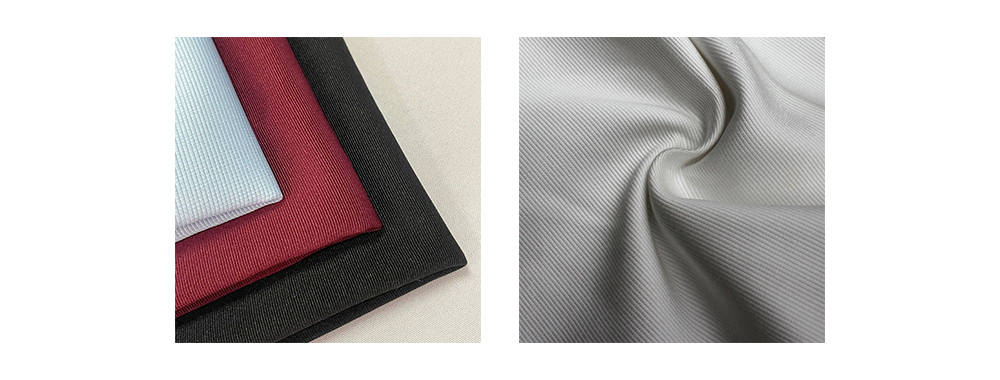
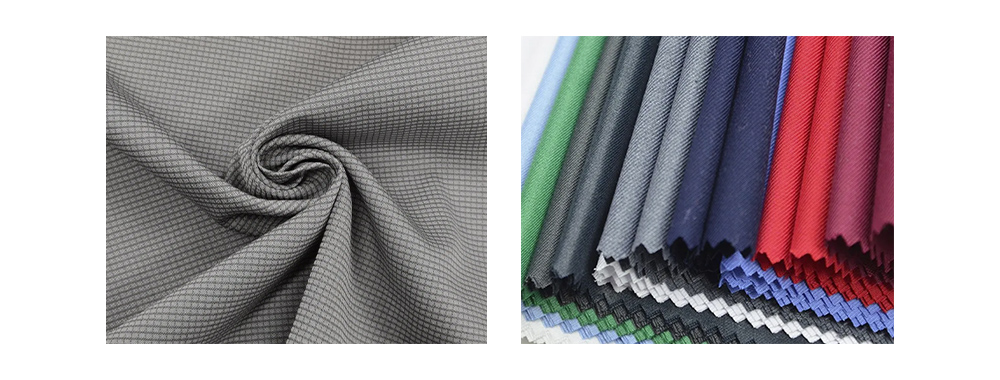
Eigenschaften: Verfügt über ein diagonales Webmuster, fühlt sich weicher an als Leinwandbindung, hat einen dezenten Glanz und verkörpert unaufdringlichen Luxus.
VorteileAusgezeichnete Abriebfestigkeit, reißfest, angenehme Haptik
Allgemeine Spezifikationen: 210D, 420D Köper-Nylon
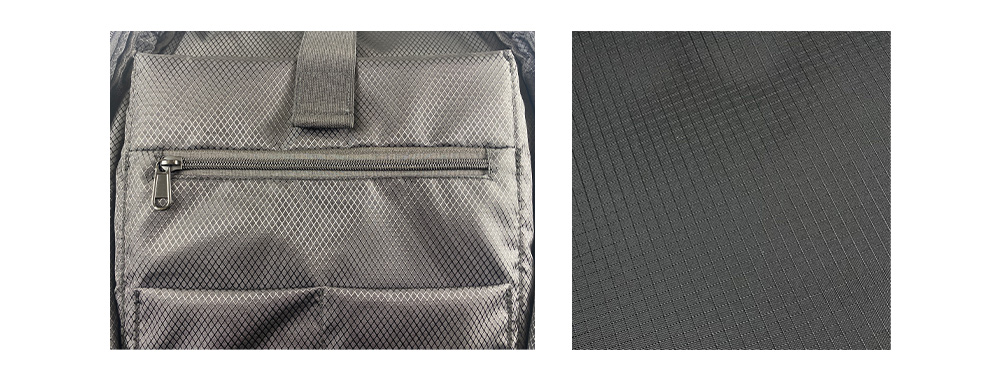
EigenschaftenVerstärkungsfäden sind sowohl in Kett- als auch in Schussrichtung eingewebt und erzeugen ein Gitter- oder Kreuzschraffurmuster.
VorteileHervorragende Reißfestigkeit; selbst bei Beschädigung breitet sich der Riss nicht so leicht aus.
Allgemeine Spezifikationen: 210D, 420D Ripstop-Nylon
EigenschaftenLeinwandbindung, glatte Oberfläche mit hellem Glanz
Vorteile: Knitterfrei
Allgemeine Spezifikationen190T, 210T, 230T, 290T
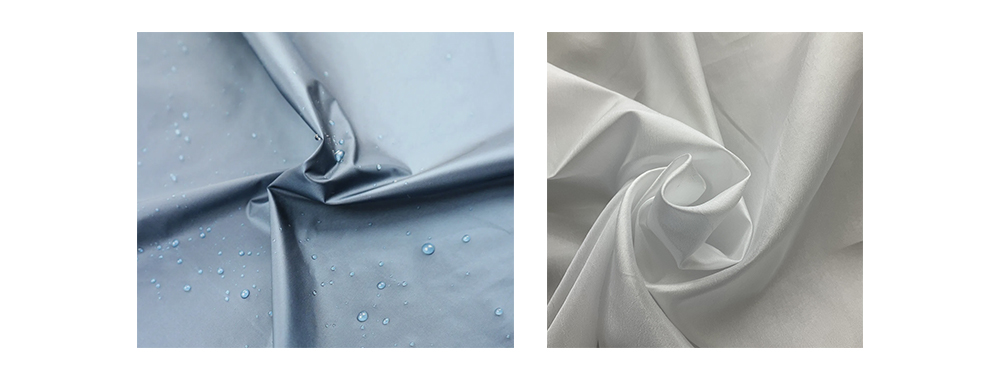
Eigenschaften: Die Leinwandbindung, die weniger glänzend ist als Nylontaft, erzeugt beim Reiben ein leises „Raschelgeräusch“.
Nachteile: Neigt zu Faltenbildung
Allgemeine Spezifikationen: 170T, 190T, 210T, 230T, 240T, 290T
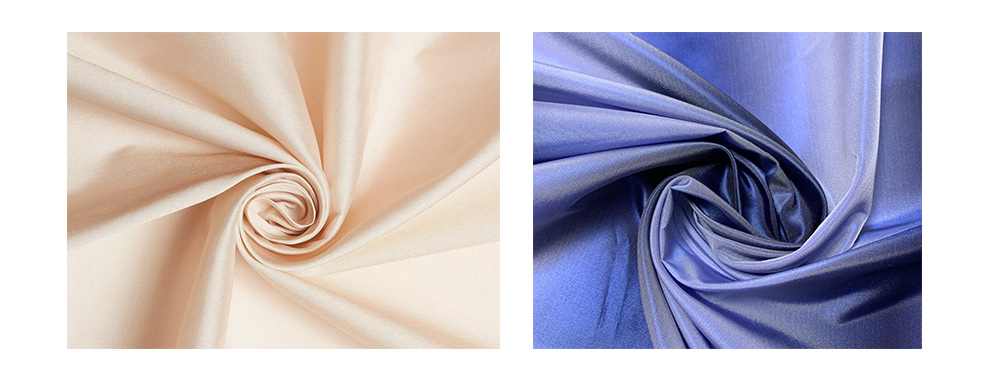
Eigenschaften: Abgewandelt aus Standard-Taft mit Köperbindung, weicher Glanz
Vorteile: Weicheres Tragegefühl, besserer Fall, verbesserte wahrgenommene Qualität
Allgemeine Spezifikationen: 210T, 230T Polyester-Twill-Taft
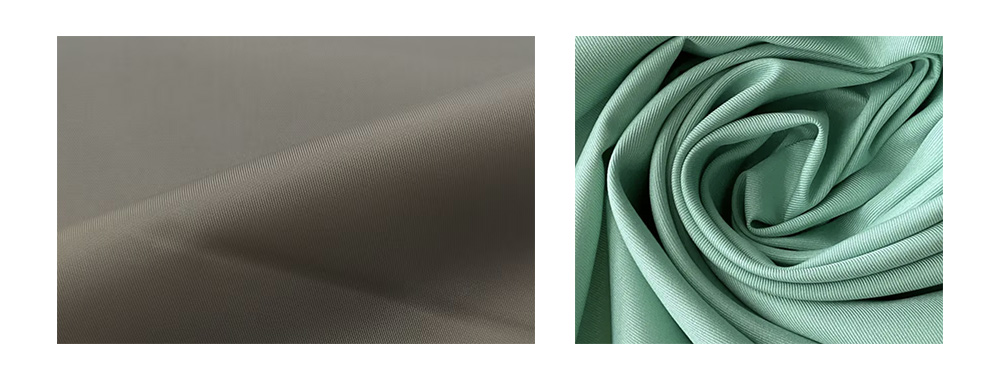
EigenschaftenGewebt aus Polyester-DTY-Texturgarn, flache und glatte Oberfläche mit matter Optik
VorteileWeiches und glattes Hautgefühl, gute Atmungsaktivität, weicher als Taft
Allgemeine Spezifikationen190T, 210T, 240T, 300T
Unterschied zu Taft: Pongee ist weicher, matt und leicht elastisch; Taft ist steifer und glänzender.
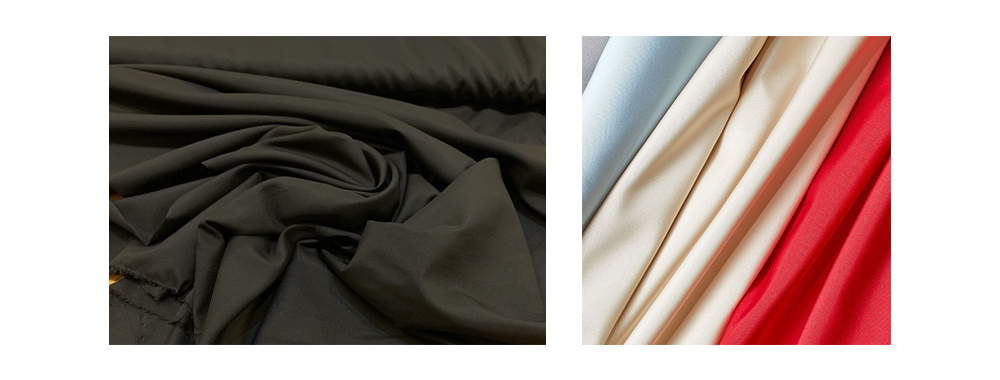
EigenschaftenAus ultrafeinen Fasern gewebt und gebürstet, um einen kurzen Flor von ca. 0,2 mm an der Oberfläche zu erzeugen.
VorteileZartes und weiches Griffgefühl, angenehme, wildlederartige Textur, elegantes Aussehen, warme Haptik
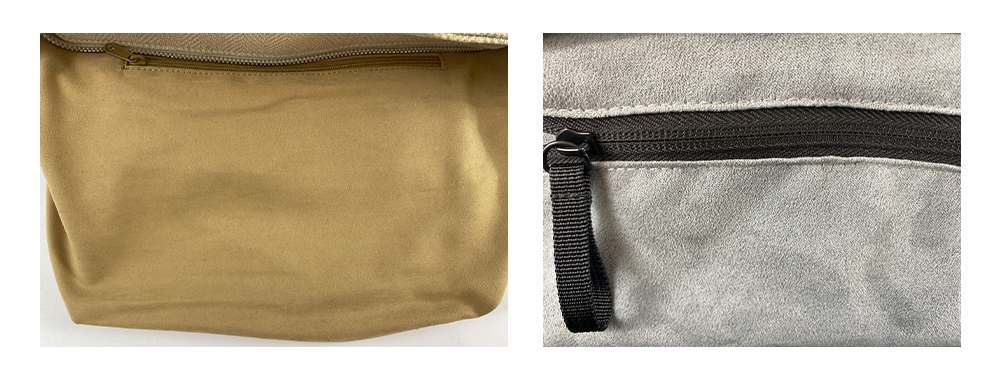
EigenschaftenTraditionell ein Seidenstoff; in der Taschenherstellung wird typischerweise Polyester-Imitationsseide mit leicht unregelmäßiger Oberfläche verwendet.
VorteileEchtes Shantung aus Seide bietet erstklassige Qualität, natürlichen Glanz und ein geschmeidiges Tragegefühl. Polyester-Shantung hat eine matte Oberfläche und fühlt sich etwas trocken an.
NotizEchte Shantungseide ist teuer und wird im Allgemeinen nicht für Taschenfutter verwendet.
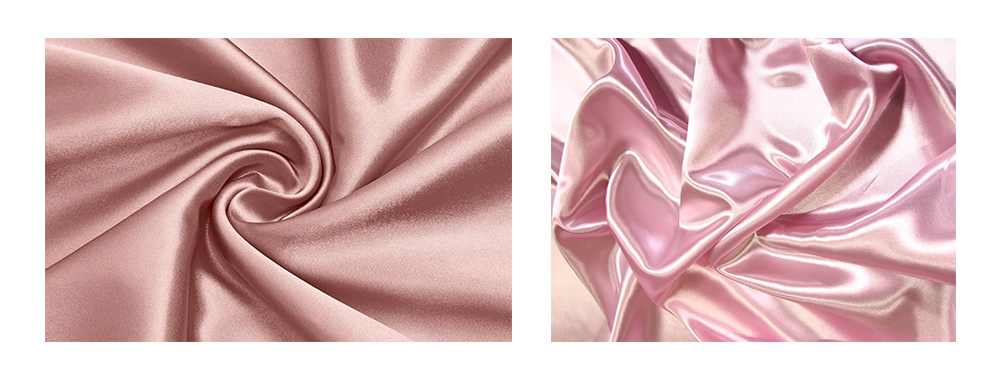
Eigenschaften: Satinartige Webstruktur, hoher Oberflächenglanz, geschmeidige Haptik
Vorteile: Luxuriöses Aussehen, seidiger Griff, steigert die Produktqualität
Notiz: Mittlere Abriebfestigkeit; nicht geeignet für Anwendungen mit hoher Reibung.
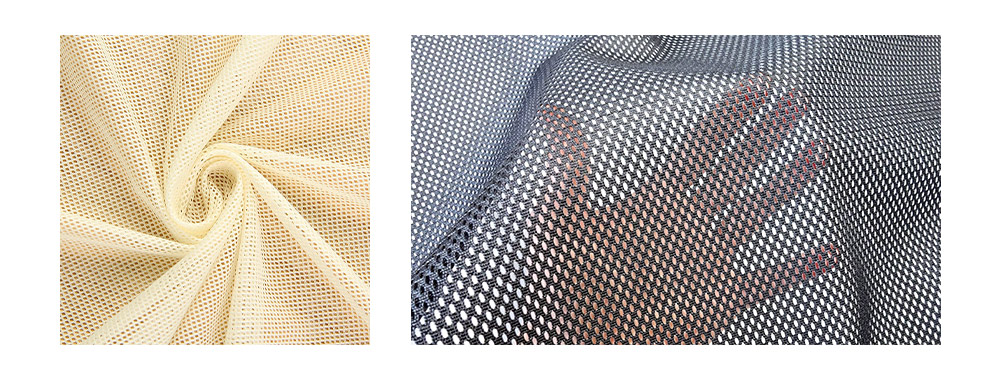
Eigenschaften: Netzstruktur mit hervorragender Atmungsaktivität
Vorteile: Leicht, atmungsaktiv, ermöglicht die Sichtbarkeit von Gegenständen im Inneren
Notiz: Wird im Allgemeinen nicht als primäres strukturelles Auskleidungsmaterial verwendet; häufiger für Innentaschen oder Fachtrennwände.
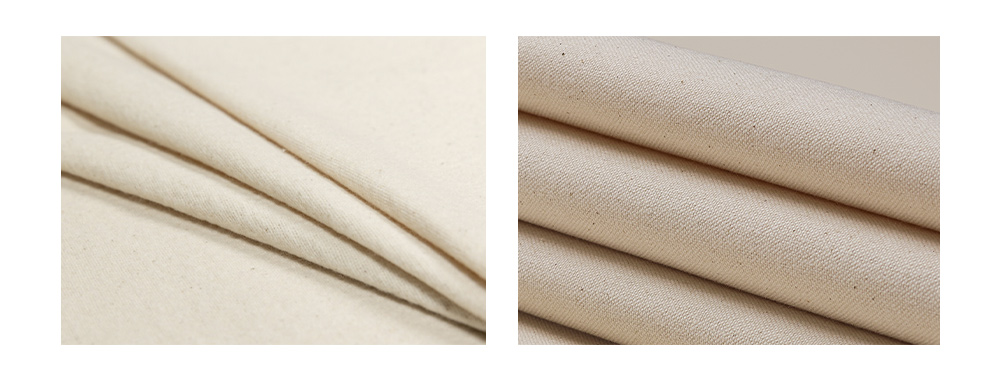
Eigenschaften: Naturfaser, feuchtigkeitsabsorbierend und atmungsaktiv
Vorteile: Umweltfreundlich, hautfreundlich, antistatisch
Nachteile: Neigt zu Knitterbildung, Einlaufen, Fleckenanfälligkeit, höherer Preis
Ramie ist die stärkste Naturfaser, die sogar Baumwolle und Leinen übertrifft, und zeichnet sich durch einen seidigen Glanz sowie hervorragende Feuchtigkeitsaufnahme und Atmungsaktivität aus. Als Futterstoff für Taschen ist sie eine Nischenwahl, die sich jedoch deutlich von anderen Materialien abhebt.
Eigenschaften: 100 % natürliche Pflanzenfaser, lange und robuste Fasern, natürlicher seidenartiger Glanz auf der Oberfläche
Vorteile: Umweltfreundlich und biologisch abbaubar, hochfest, feuchtigkeitsableitend, antibakteriell und schimmelresistent, hitzebeständig
Nachteile: Fühlt sich steif an, neigt zu Knitterbildung, höherer Preis, durchschnittliche Farbechtheit, geringere Abriebfestigkeit als synthetische Fasern
Empfehlung: Oft wird es mit Baumwolle gemischt (z. B. 55 % Ramie + 45 % Baumwolle), um den Griff zu verbessern und die Knitterfestigkeit zu erhöhen; es eignet sich zur Kombination mit natürlichen Obermaterialien wie Canvas und Leinen.
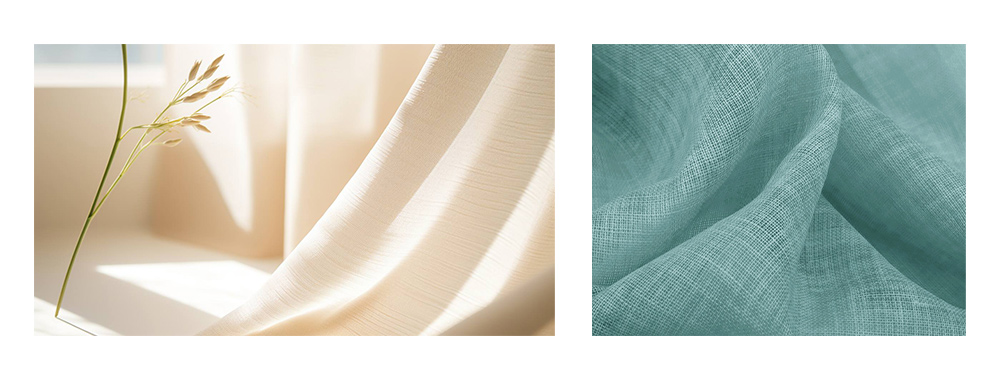
Leinen ist eine traditionsreiche Naturfaser, die für ihre hervorragende Atmungsaktivität und ihre einzigartige, rustikale Textur bekannt ist. Als Futterstoff für Taschen ist es eine Nischenwahl, aber eine sehr stilvolle Option, die sich besonders für Produkte eignet, die auf natürliche Ästhetik und Nachhaltigkeit setzen.
Eigenschaften: 100 % natürliche Pflanzenfaser, natürliche Textur und dezenter Glanz auf der Oberfläche verleihen dem Produkt eine rustikale, hochwertige Haptik.
Vorteile: Umweltfreundlich und biologisch abbaubar, hervorragende Feuchtigkeitsaufnahme und Atmungsaktivität, antibakteriell und geruchshemmend, hohe Festigkeit, gute Wärmeableitung, angenehm kühl im Griff
Nachteile: Fühlt sich steif an, neigt zu Knitterbildung und ist schwer wieder in Form zu bringen, durchschnittliche Abriebfestigkeit, hohe Einlaufrate, höherer Preis, durchschnittliche Farbechtheit
Empfehlung: Oft mit Baumwolle gemischt, um Weichheit und Knitterfestigkeit zu verbessern; vor Gebrauch einlaufen lassen; natürliche Farben wie Roh- und Beigetöne werden empfohlen, um Farb- und Ausbleichprobleme zu minimieren.
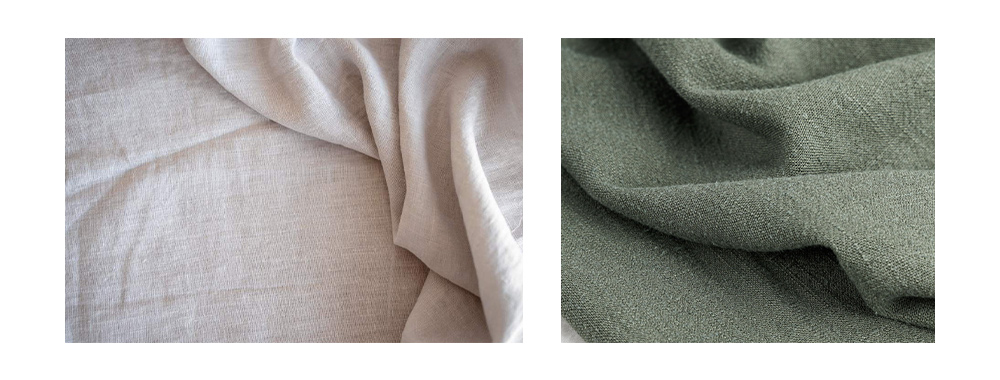
Bambusfasern haben sich in den letzten Jahren zu einer beliebten Wahl im Bereich umweltfreundlicher Taschen entwickelt. Gewonnen aus nachwachsendem Bambus, der schnell und ohne Pestizide oder chemische Düngemittel wächst, weist Bambus eine extrem niedrige CO₂-Bilanz auf. Seine natürlichen antibakteriellen Eigenschaften und der weiche Griff machen ihn zu einem idealen Futter, das ökologische Nachhaltigkeit mit Funktionalität vereint.
Eigenschaften: 100 % natürliche, nachwachsende Faser, enthält antibakterielle Bambusfasern, weicher und glatter Griff
Vorteile: Umweltfreundlich und biologisch abbaubar, natürliche antibakterielle und bakteriostatische Eigenschaften, im Vergleich zu Baumwolle überlegene Feuchtigkeitsaufnahme und Atmungsaktivität, weicher Griff, UV-beständig, hervorragende desodorierende Eigenschaften
Nachteile: Geringe Nassfestigkeit (Festigkeit nimmt bei Nässe ab), durchschnittliche Abriebfestigkeit, höherer Preis, neigt zum Schrumpfen, durchschnittliche Farbechtheit bei dunklen Farben
Empfehlung: Kann mit Baumwolle oder Polyester gemischt werden, um die Nassfestigkeit und Abriebfestigkeit zu verbessern; Vorbehandlung vor dem Einlaufen erforderlich; helle Farben werden empfohlen
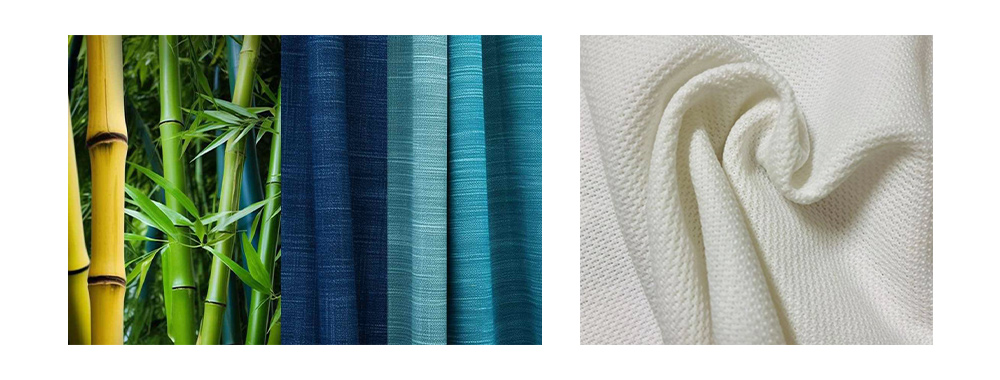
Veloursleder ist ein Ledermaterial mit einer feinen, samtigen Oberfläche. Man unterscheidet zwischen echtem Veloursleder (Rückseite von Rinds-, Schaf- oder Schweinsleder) und synthetischem Veloursleder (Mikrofaser-Synthetikveloursleder). Als Taschenfutter ist es für seinen luxuriösen Griff und seine hervorragenden Schutzeigenschaften bekannt und daher eine klassische Wahl für hochwertige Taschen.
Eigenschaften: Oberfläche mit feinem, dichtem Flor bedeckt, weiches und warmes Griffgefühl, extrem hohe visuelle und haptische Qualität
Vorteile: Die luxuriös weiche Haptik, die hervorragende Rutschfestigkeit (verhindert das Verrutschen von Gegenständen in der Tasche), die starke Polsterung und der Schutz (schützt empfindliche Gegenstände wie Schmuck, Brillen und Elektronik) sowie die Ausführungen aus echtem Wildleder bieten eine ausgezeichnete Langlebigkeit und steigern den Gesamtwert des Produkts.
Nachteile: Echtes Leder ist teuer, zieht leicht Staub und Flecken an, dunkle Farben neigen zum Ausbluten, es härtet aus und verformt sich bei Nässe, ist relativ schwer, synthetisches Wildleder ist schlecht atmungsaktiv.
Empfehlung: Echtes Wildleder eignet sich für Premiumprodukte; für Produkte der mittleren Preisklasse kann synthetisches Mikrofaser-Wildleder verwendet werden, um Kosten zu sparen; es ist nicht für großflächige Anwendungen in Alltagsrucksäcken oder Outdoor-Taschen geeignet; helle Gegenstände sollten nicht direkt mit dunklem Wildleder in Berührung kommen, um ein Abfärben zu verhindern.
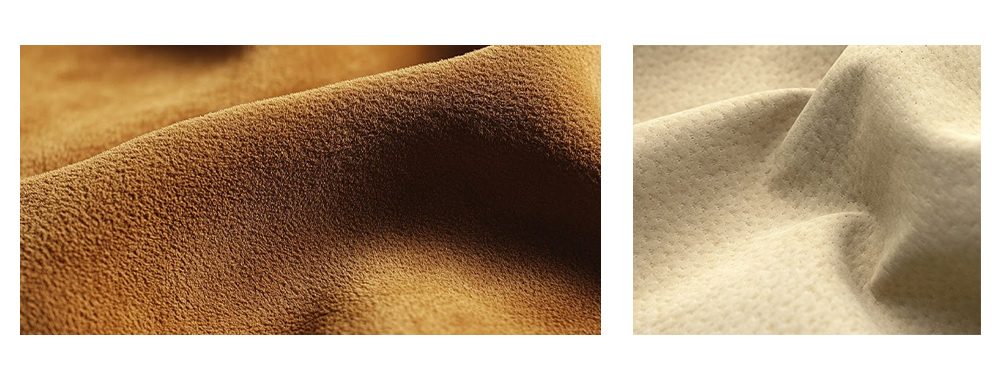
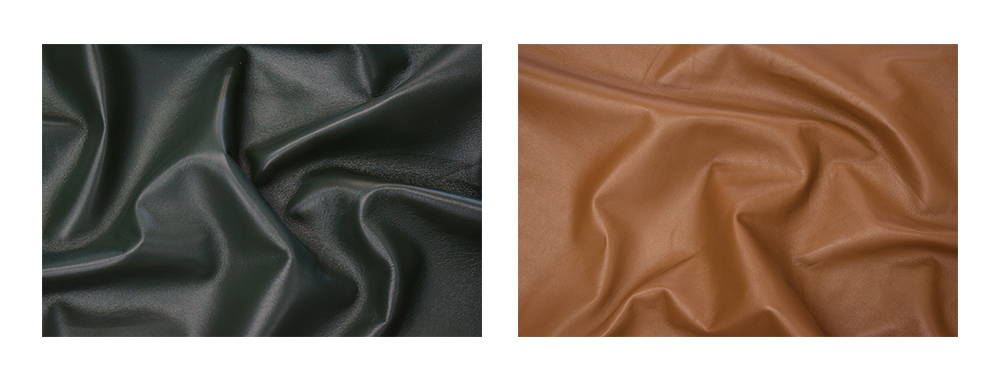
Eigenschaften: Eine der weichsten Lederarten, feine Poren, leichtes Tragegefühl
Vorteile: Extrem weicher Griff, natürlicher und eleganter Glanz, leichter als Rindsleder
Nachteile: Geringe Abriebfestigkeit, kratzempfindlich, höherer Preis, erfordert sorgfältige Pflege
Hinweis: Lammfellfutter eignet sich besser für kleine Flächen oder leichte Taschen.
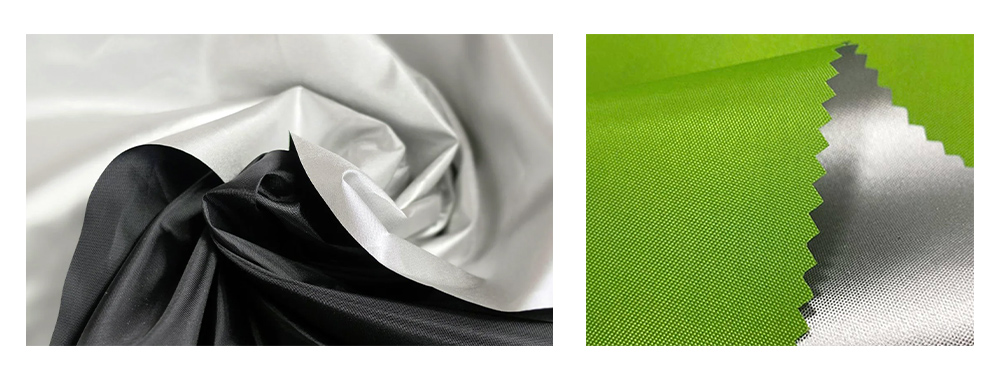
Verfahren: Grundgewebe aus Taft, Pongee oder Oxford-Gewebe mit PA/PU/PVC-Beschichtung
Vorteile: Wasserdicht, feuchtigkeitsbeständig, schimmelresistent
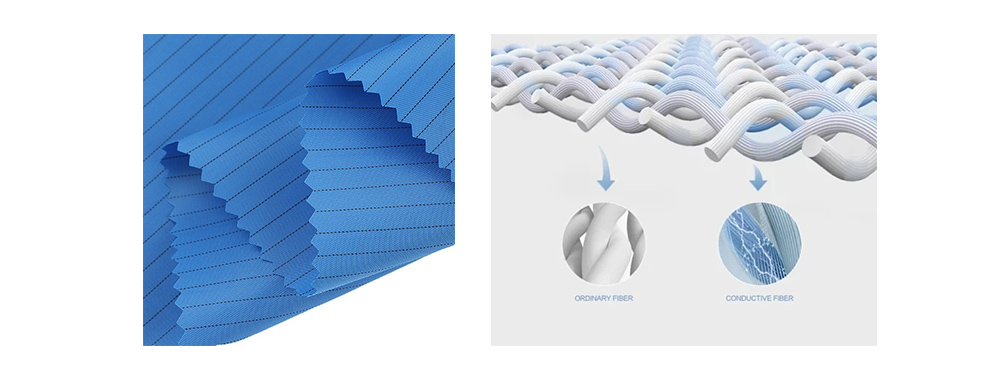
Verfahren: Leitfähige Fasern, die beim Weben oder Veredeln hinzugefügt werden
Vorteile: Verhindert, dass statische Elektrizität Staub anzieht, schützt elektronische Produkte
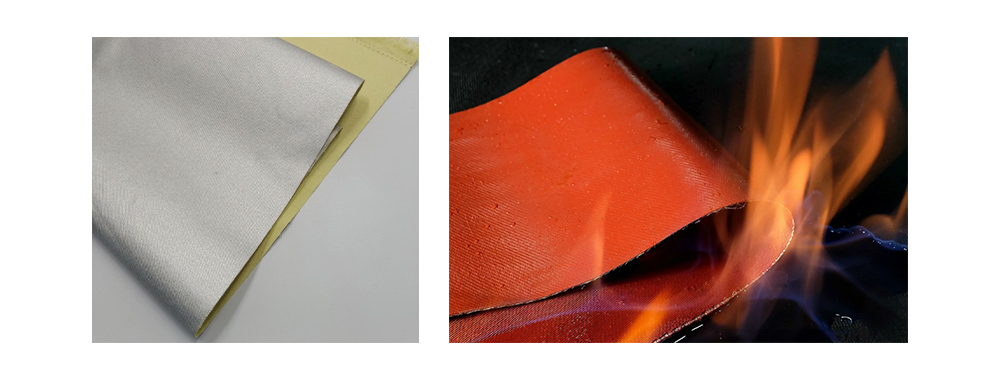
Verfahren: Imprägnierungsverfahren nach der Veredelung, vorwiegend unter Verwendung von phosphorhaltigen oder synergistischen Phosphor-Stickstoff-Flammschutzmitteln, die durch Auftragen, Trocknen und Einbrennen aufgebracht werden, um das Flammschutzmittel auf der Faseroberfläche oder im Inneren der Faser zu fixieren.
Eigenschaften: Erreicht durch die oben genannte Flammschutzbehandlung spezifische Brandschutzstandards.
Antibakterielles Futter ist ein Spezialfutter, bei dem antibakterielle Komponenten während des Webprozesses oder der Veredelung der Fasern eingearbeitet werden, wodurch der Stoff die Fähigkeit erhält, das Bakterienwachstum zu hemmen und Gerüche zu reduzieren.
Eigenschaften: Durch Fasermodifizierung oder Veredelungsverfahren erhält der Stoff dauerhafte antibakterielle Eigenschaften. Zu den gängigen antibakteriellen Komponenten gehören Nanosilberionen, Zinkionen, Kupferionen, quaternäre Ammoniumsalze und natürliche Bambus-Kun-Extrakte.
Vorteile: Hemmt wirksam das Wachstum gängiger Krankheitserreger wie E. coli und Staphylococcus aureus, reduziert Gerüche durch Schweiß oder Speisereste im Inneren der Tasche, verlängert die Reinigungszyklen der Tasche, verbessert das Hygiene- und Sicherheitsimage des Produkts; einige Komponenten bieten zudem schimmelresistente Eigenschaften.
Nachteile: Die antibakterielle Wirkung lässt mit dem Waschen allmählich nach (besonders bei Produkten für die Nachbehandlung), silberionenhaltige Produkte sind teurer, einige chemische antibakterielle Wirkstoffe können Hautirritationen hervorrufen, und es muss geprüft werden, ob die antibakteriellen Wirkstoffe den Umweltstandards von OEKO-TEX® oder REACH entsprechen.
Taschenart | Empfohlenes Futter | Begründung |
Business-Laptop-Rucksack | Köpergewebe aus Nylon, Pongee, antistatisches Futter | Abriebfest, antistatischer Schutz für Elektronik, angenehme Haptik, professionelles Design |
Outdoor-Wanderrucksack | 210D Nylon Ripstop, Nylon Oxford, wasserdicht beschichtetes Futter | Reißfest, wasserdicht, strapazierfähig, leicht |
Modische Damentasche | Pfirsichhaut, Shantung, Satin, Schaffell | Hochwertige Haptik, unterstreicht die Qualität, elegante Optik |
Kosmetiktasche / Kulturbeutel | Pfirsichhaut, Polyestertaft, Nylontaft, Bambusfaser, antibakterielles Futter | Weich, schön, leicht zu reinigen, gute Wasserdichtigkeit |
Schülerrucksack | Pongee, Polyester-Twill-Taft | Kostengünstig, langlebig, satte Farben, umweltfreundliches Konzept – beliebt |
Werkzeugtasche / Industrietasche | Nylon-Oxford-Gewebe, wasserdichtes beschichtetes Futter, flammhemmendes Futter | Abriebfest, wasserdicht, pflegeleicht, hohe Sicherheit |
Umweltfreundliche Konzepttasche | Futter aus Baumwolle, recyceltes Polyester (RPET), recyceltes Nylon, Bambusfaser, Ramie, Leinen | Umweltfreundlich, hautfreundlich, nachhaltig, Markendifferenzierung |
Trolleykoffer / Reisetasche | Nylon Oxford, Polyester Taft, Pongee | Abriebfest, leicht, wartungsarm, kostengünstig |
Sporttasche / Turntasche | Polyestergewebe, Pongee, wasserdichte Beschichtung, Bambusfaser | Atmungsaktiv, schnelltrocknend, leicht, antibakteriell und desodorierend |
Kindertasche / Wickeltasche | Baumwollfutter, Bambusfaser, Pfirsichhaut, antibakterielles Futter | Hautfreundlich und sicher, antibakteriell, weich, umweltfreundlich |
Aufbewahrungstasche für Schmuck/Accessoires | Wildleder, Pfirsichhaut, Satin | Polsternder Schutz, rutschfest, luxuriöse Haptik, kratzfest |
Abendtasche / Clutch | Satin, Schaffell, Shantung, Pfirsichhaut | Luxuriöser Glanz, erstklassige Qualität, leicht und elegant |
Fotoausrüstungstasche | Antistatisches Futter, Nylon-Taft, wasserdicht beschichtetes Futter | Schützt Präzisionsgeräte, feuchtigkeitsbeständig, antistatisch |
Tauch-/Wassersporttasche | Recyceltes Nylon, wasserdicht beschichtetes Futter, Nylontaft | Schnelltrocknend, umweltfreundlich, langlebig |
Militär-/Taktiktasche | 210D Nylon Ripstop, Nylon Oxford, flammhemmendes Futter, antibakterielles Futter | Extrem strapazierfähig, reißfest, sicherheitskonform |
Hochwertige Ledertasche | Shantung, Schaffell, Wildleder, Baumwollfutter | Passt perfekt zum echten Lederaußenmaterial, einheitliche Textur, hochwertige Positionierung |
Faltbare Aufbewahrungstasche / Leichte Tasche | Nylon-Taft, Polyester-Taft, RPET | Ultraleicht, einfach zusammenzufalten, kostengünstig, umweltfreundliche Option |
Schuhbeutel / Atmungsaktives Fach | Polyestergewebe, Pongee | Atmungsaktiv, gut sichtbar, leicht, schimmelresistent |
Geschenktüte / Werbetasche | Polyester-Taft, Pongee, RPET | Kostengünstig, kräftige Farben, druckbares Logo, umweltfreundliches Verkaufsargument |
Sommerliche Freizeittasche / Strandtasche | Leinen, Ramie, Baumwollfutter, Nylontaft | Atmungsaktiv und kühl, natürliche Textur, feuchtigkeitsableitend |
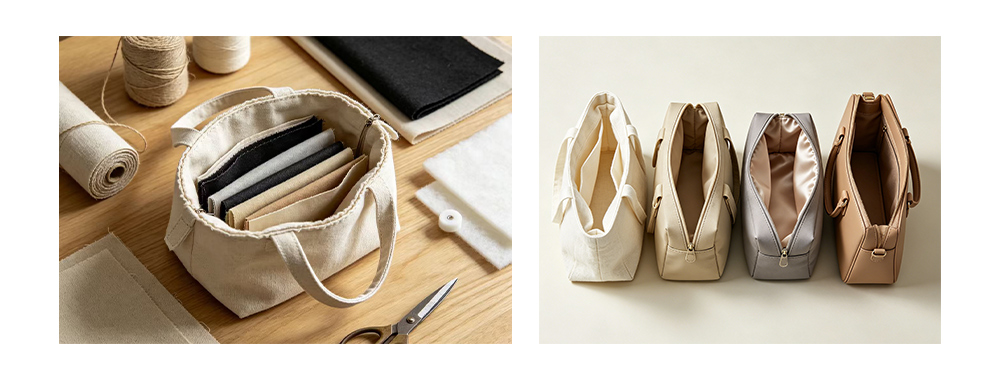
Das Futter ist das Material, das die Nutzer jedes Mal direkt berühren, wenn sie die Tasche öffnen. Seine Haptik bestimmt unmittelbar den ersten Eindruck und den wahrgenommenen Wert des Produkts.
Premium-Luxus-Touch: Erwägen Sie Pfirsichhaut, Shantung, Satin, Schaffell, Wildleder.
Mittlerer Geschäftsbereich Man denke an Twill-Nylon, Polyester-Twill-Taft und Pongee.
Massenmarkt: Erwägen Sie 210D Polyester, Polyester-Taft.
Natürlicher, rustikaler Touch: Wählen Sie Baumwollfutter, Leinen, Ramie, Bambusfaser – geeignet für natürliche Ästhetik und nachhaltige Konzepte.
Tipp: Die Haptik des Futters sollte mit der Textur des Außenmaterials harmonieren. Beispielsweise passt echtes Leder als Außenmaterial gut zu einem Futter aus Schaffell oder Shantung; Canvas als Außenmaterial passt zu einem Futter aus Baumwolle oder Leinen; Nylon als Außenmaterial passt zu einem Futter aus Nylon.
Abhängig vom Einsatzszenario der Tasche und der Zielgruppe ist die Auswahl des funktionalen Futters entscheidend:
Wasserdichtes und feuchtigkeitsbeständiges Futter: Outdoor-Taschen, Kühltaschen, Werkzeugtaschen und Regentaschen benötigen ein wasserdicht beschichtetes Futter (PA/PU/PVC-Beschichtung).
Antistatisches Futter: Laptoptaschen, Kamerataschen und Taschen für Präzisionsinstrumente müssen mit einem antistatischen Futter ausgestattet sein, um zu verhindern, dass statische Elektrizität Staub anzieht oder elektronische Bauteile beschädigt.
Flammhemmende Auskleidung: Industrietaschen, Feuerwehrtaschen und Taschen für Spezialeinsätze müssen bestimmte Brandschutzbestimmungen erfüllen. Wir empfehlen, bei diesen Produkten die Brandschutzanforderungen sowohl für die Außen- als auch für die Innenmaterialien zu berücksichtigen.
Antibakterielles und desodorierendes Futter: Sporttaschen, Turntaschen und Wickeltaschen können mit Bambusfasern oder antibakteriell behandeltem Futter ausgestattet sein, um das Bakterienwachstum zu hemmen und Gerüche zu reduzieren.
Atmungsaktives und sichtbares Futter: Sporttaschen, Schuhfächer oder Haustiertransporttaschen können aus atmungsaktivem Polyestergewebe gefertigt sein, das einen guten Blick auf den Inhalt ermöglicht.
Preisgünstiges Sortiment: Polyester-Taft (170T–210T), Pongee (190T–210T), Polyester-Mesh – geeignet für den Massenmarkt, Werbeartikel, Schülerrucksäcke.
Mittleres Preissegment: Nylon Oxford (210D–420D), Twill Taft, Satin, Nylon Taft, 210D Nylon Ripstop – geeignet für den mittleren Markt, Business-Taschen, Outdoor-Taschen.
Hochwertiges Segment: Twill Nylon, Pfirsichhaut, Shantung – geeignet für den mittleren bis gehobenen Markt, modische Damentaschen, Premium-Reisetaschen.
Ultra-High-Cost-Sortiment: Wildleder, Schaffell, echte Seide Shantung – geeignet für den Luxusmarkt, hochwertige Individualisierung.
Obwohl klein, beeinflusst das Futter die Gesamtqualität und das Tragegefühl einer Tasche maßgeblich. Als professioneller OEM/ODM-Hersteller von Taschen verfügen wir über eine umfangreiche Auswahl an Futterstoffen. Wir beraten Sie gerne hinsichtlich der optimalen Futterlösung, abgestimmt auf Ihre Produktpositionierung, Ihr Budget und Ihre funktionalen Anforderungen. Ob Sie Wert auf Kosteneffizienz mit Pongee, Premiumqualität mit Pfirsichhaut und Shantung oder ökologische Nachhaltigkeit mit anderen Materialien legen – wir haben die passende Lösung für Sie. RPET Und Recyceltes NylonWir bieten Ihnen umfassende Anpassungsdienstleistungen aus einer Hand.
Wenn Sie einen zuverlässigen Partner für die individuelle Gestaltung Ihrer Taschen suchen, kontaktieren Sie uns bitte für Muster und Angebote.
| Autor | ||||||
|
Bitte lesen Sie weiter, bleiben Sie auf dem Laufenden, abonnieren Sie uns und wir heißen Sie herzlich willkommen, uns Ihre Meinung mitzuteilen.




Copyright
@2024 Synberry Bag & Package Products Co.,Ltd Alle Rechte vorbehalten
.
 NETZWERK UNTERSTÜTZT
Sitemap / Blog / Xml / Datenschutzrichtlinie