Ob Sie für eine Einzelhandelskette, eine Eigenmarke oder ein Firmenkundenprogramm einkaufen – die Wahl des richtigen Taschenherstellers ist eine der wichtigsten Entscheidungen in Ihrer Lieferkette. Im Folgenden finden Sie die häufigsten Fragen von B2B-Einkäufern und die Antworten, die wirklich zählen.
1. Was genau macht ein B2B-Taschenhersteller?
Ein B2B-Taschenhersteller setzt Ihre Designvorgaben, technischen Spezifikationen oder Referenzmuster in ein fertiges Produkt um, das für den Einzel- oder Großhandel geeignet ist. Der Leistungsumfang umfasst typischerweise die Materialbeschaffung, die Schnittmustererstellung, die Mustererstellung, die Serienproduktion, die Qualitätskontrolle, Konformitätsprüfungen und die Exportdokumentation.
Wesentlicher Unterschied: Ein echter B2B-Partner sollte Ihnen helfen, die Herstellbarkeit zu optimieren, und nicht einfach nur Ihre Zeichnung exakt so ausführen, wie sie ist.
2. Wie beginne ich die Zusammenarbeit mit einem Taschenhersteller?
Der Standard-Arbeitsablauf ist:
1. Reichen Sie Ihre Designskizze, Ihr technisches Datenblatt oder Ihr physisches Muster ein.
2. Sie erhalten eine Machbarkeitsprüfung und ein Angebot.
3. Entwicklung und Genehmigung von Vorserienmustern
4. Geben Sie die Bestellung auf und leisten Sie die Anzahlung.
5. Produktion über WIP-Updates überwachen.
6. Führen Sie eine Vorversandprüfung durch.
7. Restbetrag begleichen und Versand veranlassen.
Warnsignal: Wenn eine Fabrik die Phase der Musterfreigabe überspringt und Sie direkt zur Serienproduktion drängt, gehen Sie mit äußerster Vorsicht vor.
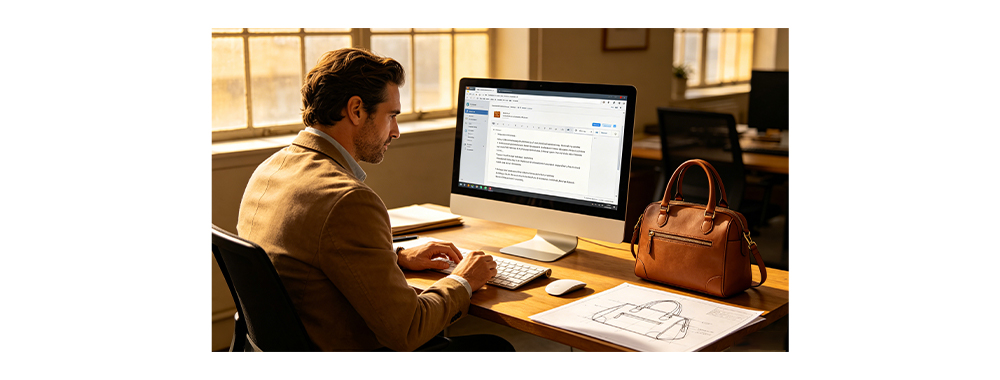
3. Worin besteht der Unterschied zwischen OEM und ODM?
- OEM (Original Equipment Manufacturing): Sie besitzen das Design. Die Fabrik produziert nach Ihren Vorgaben.
- ODM (Original Design Manufacturing): Die Fabrik besitzt die Designvorlage. Sie wählen einen bestehenden Stil und passen Farben, Materialien oder Logos an.
Wann sollte man sich für einen OEM entscheiden? Sie haben ein einzigartiges Design oder müssen sich von Mitbewerbern abgrenzen.
Wann sollte man sich für einen ODM entscheiden? Sie müssen schnell und mit geringerem Entwicklungsrisiko auf den Markt kommen.
4. Wie viel kostet die Herstellung einer individuell angefertigten Tasche?
Es gibt keinen einheitlichen Preis. Zu den Kostentreibern gehören:
- Materialart (Canvas vs. Nylon vs. Echtleder)
- Konstruktionskomplexität (Anzahl der Fächer, verstärkte Nähte)
- Qualität der Beschläge (Reißverschlüsse, Schnallen, Metalllogos)
- Methode zur Logoanpassung (Siebdruck vs. Stickerei vs. Metallabzeichen)
- Beteiligung an der Formgebung (gegebenenfalls wird eine private Form benötigt)
- Bestellmenge
- Testanforderungen
Als Faustregel gilt: Einfache Werbetaschen sind ab 2–4 US-Dollar (FOB) erhältlich. Ein Rucksack der mittleren Preisklasse mit technischen Features kostet oft zwischen 8 und 15 US-Dollar. Hochwertige Modetaschen aus Echtleder oder mit aufwendigen Beschlägen können über 30 US-Dollar kosten.
5. Wie lange dauert die Herstellung einer maßgefertigten Tasche?
- Prototypmuster: 7-10 Werktage
- Beispielrevisionen bei Bedarf: 7 Tage pro Runde
- Vorproduktionsmuster (PP-Muster): 7–10 Tage
- Massenproduktion: 45-60 Tage nach PP-Genehmigung
Hinweis: Bei speziellen Materialien, kundenspezifischen Hardwareformen oder während der chinesischen Neujahrszeit kann sich die Lieferzeit um 20-30 Tage verlängern.
6. Wie hoch ist die übliche Mindestbestellmenge (MOQ)?
Die Mindestbestellmenge variiert je nach Werk und Produktkomplexität:
- Einfache Werbetaschen300–500 Stück
- Standard-Rucksäcke oder Tragetaschen500–1000 Stück pro Farbe
- Komplexe oder Premium-TaschenMehr als 1.000 Stück
- Echtleder oder individuell angefertigte BeschlägeHäufig 500–1000 aufgrund von Mindestmengen an Materialien
Verhandlungstipp: Liegt Ihre Bestellmenge unter der Standard-Mindestbestellmenge des Herstellers, fragen Sie nach, ob alternative Materialien verwendet, die Konstruktion vereinfacht oder die Lieferzeit verlängert werden kann, um Ihrem Volumen gerecht zu werden.
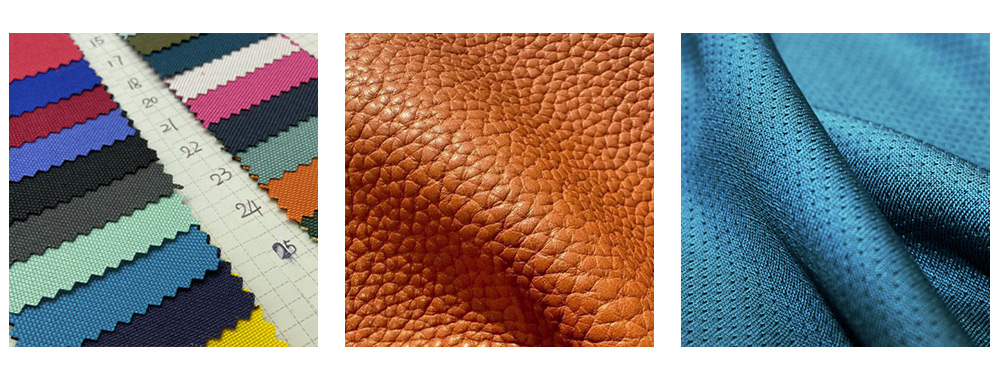
7. Welche Materialien sollte ich für meine Tasche wählen?
Gängige Materialien für B2B-Taschen sind:
Material | Am besten geeignet für | Vorteile | Nachteile |
Leinwand | Tragetaschen, lässige Rucksäcke | Natürliches Aussehen, langlebig | Starke, begrenzte Farbbrillanz |
Polyester/Nylon | Technische Rucksäcke, Reisetaschen | Leicht, wasserabweisend, leuchtende Farben | Kann sich synthetisch anfühlen. |
PU-Leder | Modetaschen, Kosmetiktaschen | Kostengünstiges, gleichbleibendes Getreide | Weniger atmungsaktiv als echtes Leder |
Echtes Leder | Hochwertige Handtaschen, Aktentaschen | Luxuriöses Gefühl, altert gut | Hohe Kosten, erfordert Pflege |
Recyceltes PET (rPET) | Nachhaltige Linien | Umweltfreundliche Geschichte, Attraktivität für den Einzelhandel | 5–15 % Kostenaufschlag |
Bewährte Vorgehensweise: Wählen Sie das Material passend zu Ihrer Markenpositionierung und dem Endverwendungsumfeld, nicht nur zum günstigsten Angebot.
8. Wie sichern die Hersteller die Qualität?
Eine zuverlässige Fabrik sollte über ein mehrstufiges Qualitätssicherungssystem verfügen:
- IQC (Wareneingangskontrolle): Die Rohstoffe müssen vor dem Einlagern und der Inbetriebnahme geprüft werden;
- IPQC (In-Prozess-Qualitätskontrolle): Streifeninspektion an kritischen Stationen (Nahtfestigkeit, Reißverschlussausrichtung, Logoplatzierung)
- FQC (Endkontrolle der Qualität)AQL 2,5/4,0 oder höherer Standard, 100%ige Prüfung der Fertigwaren
- OQC (Ausgangsqualitätskontrolle)Bitte überprüfen Sie Verpackung, Etikettierung und Kartonaufdrucke vor dem Versand.
Maßnahmen des Käufers: Erkundigen Sie sich nach dem AQL-Niveau des Werks (2,5/4,0 – schwerwiegender/geringer Mangel ist Standard bei Taschen) und ob eine Inspektion durch Dritte vor dem Versand zulässig ist.
9. Können kleine Marken oder Startups mit Herstellern zusammenarbeiten?
Ja, aber mit Einschränkungen. Viele etablierte Fabriken bevorzugen größere Aufträge, während kleinere Werkstätten zwar niedrige Mindestbestellmengen akzeptieren, aber oft keine Exporterfahrung oder -zertifizierung besitzen. Der ideale Partner für eine kleine Marke ist eine mittelständische Fabrik mit folgenden Eigenschaften:
- Flexible Mindestbestellmengen für Neukunden
- Interne Probenahmemöglichkeiten
- Erfahrung mit Private-Label-Branding
- Transparente Kommunikation
Warnung: Extrem niedrige Mindestbestellmengen (z. B. 50 Stück) von „Herstellern“ deuten oft darauf hin, dass es sich in Wirklichkeit um Handelsunternehmen handelt, die Lagerware weiterverkaufen.
10. Wie entscheide ich mich für eine Fabrik in China, Vietnam oder Kambodscha?
Standort | Stärken | Überlegungen |
China | Ausgereifteste Lieferkette, schnellste Probenahme, umfassendster Materialzugang, stärkstes Engineering | Höhere Arbeitskosten als in Südostasien, Zollbelastung in einigen Märkten |
Vietnam | Qualifizierte Fachkräfte, günstige Handelsabkommen, wachsendes Materialökosystem | Material und Hardware werden oft noch aus China importiert, was die Lieferzeit verlängert. |
Kambodscha | GSP/EBA-Zollvorteile für EU/USA, wettbewerbsfähige Arbeitskosten, verbesserte Einhaltung der Vorschriften | Material und Hardware werden größtenteils aus China importiert, was die Lieferzeit von Anfang an verlängert. |
Strategischer AnsatzViele globale Marken nutzen sie mittlerweile. China für Mustererstellung und komplexe Produktion + Südostasien für die Serienfertigung um Geschwindigkeit, Kosten und Tarifoptimierung in Einklang zu bringen.
11. Welche Informationen muss ich angeben, um ein genaues Angebot zu erhalten?
Für ein genaues Angebot benötigen wir folgende Angaben:
- Designskizzen oder technische Datenblätter mit Maßen
- Materialspezifikationen (oder Zielpreisvorgabe, falls Sie eine Orientierung benötigen)
- Logo-/Grafikdateien und bevorzugtes Verfahren
- Hardwareanforderungen (ReißverschlussMarke, Schnallentyp usw.)
- Kaufmenge
- Zielmarkt (für Konformitäts- und Kennzeichnungsvorschriften)
- Verpackungsanforderungen (Polybeutel, Anhänger, Innenkarton, Geschenkboxverpackung, Geschenktütenverpackung usw.)
Profi-Tipp: Je detaillierter Ihre Anfrage, desto genauer der Preis, den Sie erhalten.
12. Wie viele Stichprobenrunden sind normal?
Die meisten Projekte erfordern 1–3 Runden:
- Runde 1 (Prototyp-Muster): Bestätigt Struktur, Proportionen und Materialhaptik. Unvollkommenheiten sind zu erwarten.
- Runde 2 (Verfeinerte Probe)Kleinere Änderungen wie Hinzufügen oder Entfernen von Details, Farbanpassung und Logoplatzierung.
- Runde 3 (Vorproduktion / PP-Muster)Das „Goldmuster“, das den Standard für die Massenproduktion festlegt, muss vor Beginn der Serienproduktion schriftlich genehmigt werden.
Kostenspartipp: Fassen Sie das Feedback in einer einzigen, detaillierten Änderungsliste zusammen, anstatt einzelne Änderungen zu senden. Jede zusätzliche Runde kostet Zeit und Geld.
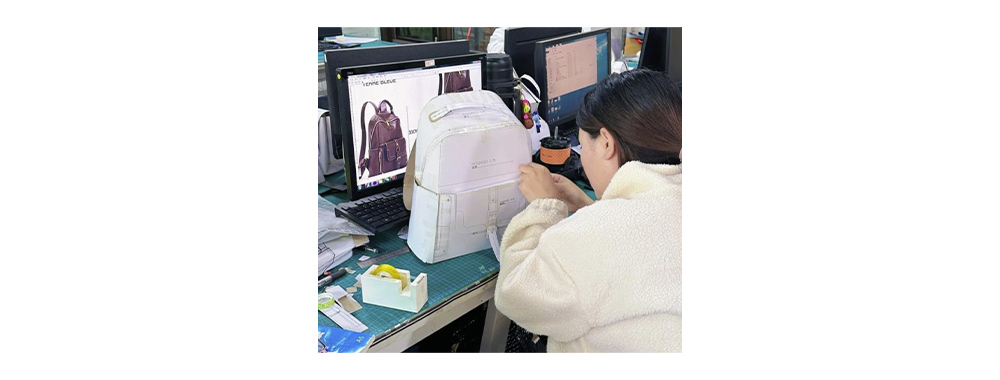
13. Was verursacht Produktionsverzögerungen und wie kann ich diese verhindern?
Hauptursachen für Verzögerungen:
- Unklare Spezifikationen führen zu wiederholten Probenfehlern
- Verzögerte Musterfreigaben
- Designänderungen in letzter Minute nach Musterfreigabe
- Kapazitätsengpässe in der Hochsaison (März - Mai) oder während der Feiertage zum chinesischen Neujahr führen zu Engpässen.
Checkliste zur Prävention:
- Verschließen Sie Ihr Technikpaket, bevor die Probenahme beginnt.
- Muster innerhalb des vereinbarten Zeitraums genehmigen
- Änderungen nach der Genehmigung vermeiden;
- Bestellen Sie 3–4 Monate vor dem gewünschten Liefertermin.
14. Wie stelle ich sicher, dass die Serienproduktion meinem genehmigten Muster entspricht?
Drei kritische Kontrollmechanismen:
- Versiegeln Sie das goldene MusterDas endgültige, genehmigte PP-Muster muss physisch unterschrieben und versiegelt werden.
- Schriftlicher Produktionsstandard: Erstellen Sie ein detailliertes Datenblatt, das Materialien, Farben, Maße, Stichdichte und zulässige Toleranzen umfasst.
- Inline- und VorversandprüfungBitten Sie den Lieferanten, Ihnen vor dem Versand seinen Inspektionsbericht zur Verfügung zu stellen, oder beauftragen Sie einen unabhängigen Prüfer (SGS, BV, Intertek oder lokale Agenturen), die Ware anhand des versiegelten Referenzmusters zu überprüfen.
15. Welche Zertifizierungen sollte ein Taschenhersteller besitzen?
Wesentliche Zertifizierungen für den B2B-Export:
- BSCI oder SEDEXSoziale Konformität und ethische Arbeitspraktiken
- ISO 9001Qualitätsmanagementsystem
- Marktspezifische Konformität mit Materialien: REACH (EU), CPSIA (USA), CA Prop 65 (Kalifornien).
Für nachhaltige Materialien: GRS (Global Recycled Standard), GOTS (Organic Textile Standard), FSC (Verpackung), OEKO-TEX.
Hinweis für Käufer: Zertifizierungen müssen aktuell sein (Ablaufdatum prüfen). Ein Werk, das „vor zwei Jahren BSCI-zertifiziert war“, ist nicht dasselbe wie ein Unternehmen, das die Zertifizierungen aktiv einhält.
16. Wie gehen chinesische Hersteller mit internationalen Qualitätsstandards um?
Etablierte, exportorientierte Hersteller sind in der Regel mit den EU- und US-Standards bestens vertraut. Sie sollten Folgendes können:
- REACH- oder CPSIA-konforme Materialien auf Anfrage beschaffen
- Führen Sie interne Tests zur Farbechtheit, Nahtfestigkeit und Zugfestigkeit der Beschläge durch.
- Veranlassen Sie die Durchführung von Labortests durch Dritte zur Überprüfung der Einhaltung der Chemikaliengrenzwerte (Formaldehyd, Phthalate, Schwermetalle).
- Für korrekte Kennzeichnung sorgen (Herkunftsland, Pflegehinweise, Rückverfolgbarkeitsetiketten für Kinderprodukte).
17. Können Hersteller die Produktion von Eigenmarken und White-Label-Produkten unterstützen?
Ja. Die meisten B2B-Taschenhersteller bieten Folgendes an:
- Individuelle Logoanbringung (Druck, Stickerei, Metallabzeichen, Webetiketten)
- Individuelle Innenfutterfarben und Druckmuster
- Marken-Hängeetiketten, Polybeutel und Umkartons
- Barcode und RFID-Etikettierung
- Herkunftslandkennzeichnung gemäß den Gesetzen des Ziellandes
Klären Sie dies frühzeitig: Einige Fabriken berechnen Verpackungsdesign und Plattenherstellung separat. Lassen Sie sich diese Kosten in Ihrem ersten Angebot bestätigen.
18. Was sind die Vorteile einer langfristigen Zusammenarbeit?
Langfristige Partnerschaften ermöglichen typischerweise Folgendes:
- Bessere Stückpreise durch Materialmengenkonsolidierung und Produktionseffizienzsteigerungen
- Prioritätsvergabe während der Hochsaison
- Schnellere Probenahme (das Werk kennt bereits Ihre Qualitätsstandards und Präferenzen).
- Zugang zur gemeinsamen Entwicklung (früher Zugang zu neuen Materialien, Verfahren oder nachhaltigen Alternativen)
19. Wo befinden sich die meisten Taschenhersteller?
China: Guangdong (Guangzhou, Dongguan, Shenzhen), Fujian (Quanzhou), Zhejiang (Yiwu, Wenzhou). Guangdong ist führend im Bereich modischer und funktionaler Taschen; Quanzhou ist ein Zentrum für Rucksäcke und Schultaschen.
Südostasien: Vietnam (Ho-Chi-Minh-Stadt, Hanoi), Kambodscha (Phnom Penh, Sihanoukville), Indonesien.
Südasien: Indien (Kolkata, Chennai) für Baumwoll-/Leinwandwaren.
Warum der Standort wichtig ist: Produktionszentren bieten einen besseren Zugang zu Materiallieferanten, Hardwaremärkten und Fachkräften. Eine Fabrik in einer abgelegenen Gegend könnte Schwierigkeiten haben, spezielle Reißverschlüsse oder Stoffe schnell zu beschaffen.
20. Können Hersteller mir helfen, mein Design für die Produktion zu optimieren?
Ja – und das sollten sie auch. Erfahrene Fabriken liefern DFM-Feedback (Design for Manufacturability), wie zum Beispiel:
- Wir empfehlen einen Reißverschluss mit größerer Maschenweite für stark beladene Fächer.
- Es wird empfohlen, die Nähte an den Belastungspunkten zu verstärken.
- Vorschläge für Materialalternativen, die die gleiche Optik zu geringeren Kosten erzielen
- Identifizierung von Merkmalen, die einen unverhältnismäßig hohen Arbeitsaufwand verursachen (z. B. übermäßige interne Taschen)
WertindikatorEine Fabrik, die einfach zu allem "ja" sagt, ohne unpraktische Entwürfe zu hinterfragen, verfügt möglicherweise nicht über die nötige technische Expertise, um diese gut umzusetzen.
21. Wie gestalten Hersteller die Kommunikation mit ausländischen Käufern?
Professionelle Exporthersteller beauftragen typischerweise:
- Ein fester Vertriebsleiter oder Projektmanager (PM) als Ihr einziger Ansprechpartner
- Kommunikation per E-Mail, Videoanrufen und Instant Messaging (WeChat, WhatsApp).
- Englischsprachiger Support (Qualität variiert; Reaktionsfähigkeit während der Angebotsphase testen)
BewertungstippAchten Sie in den ersten zwei Wochen der Kontaktaufnahme auf Reaktionsgeschwindigkeit und Verständlichkeit. Benötigt ein Hersteller fünf Tage, um eine einfache Frage zu beantworten, bevor Sie Kunde sind, können Sie nach der Bestellung mit deutlich schlechteren Ergebnissen rechnen.
22. Können die Hersteller nachhaltige oder umweltfreundliche Materialien beschaffen?
Ja. Das Angebot an nachhaltigen Optionen hat sich deutlich erweitert:
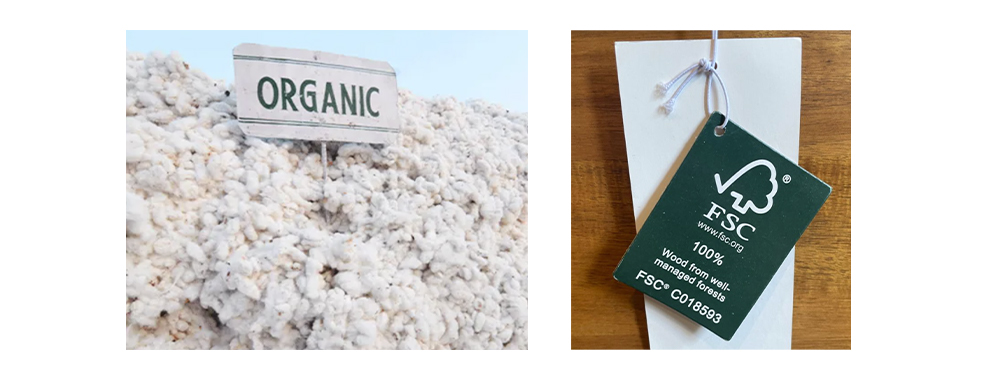
- Recyceltes Polyester (rPET)Hergestellt aus recycelten Kunststoffflaschen; GRS-zertifizierte Varianten erhältlich
- Bio-Baumwolle: GOTS-zertifiziert für chemikalienfreien Anbau
- Recycelte PU/Leder-Alternativen: Biobasierte oder recycelte Kunststoffe
- FSC-zertifizierte Verpackung: Papieranhänger und Kartons aus verantwortungsvoll bewirtschafteten Wäldern
- Wasserbasierte Tinten: Geringere VOC-Emissionen als lösungsmittelbasierte Druckverfahren
KostenrealitätNachhaltige Materialien sind in der Regel 5–20 % teurer und können aufgrund des längeren Verarbeitungsaufwands längere Lieferzeiten haben. Planen Sie entsprechend.
23. Was sollte ich überprüfen, bevor ich meine erste Bestellung aufgebe?
Checkliste zur Überprüfung der Vorbestellung:
- Die Musterqualität entspricht Ihren Erwartungen hinsichtlich Haptik und Verarbeitung.
- Materialspezifikationen und Farben werden schriftlich bestätigt.
- Das Angebot beinhaltet alle Kostenpositionen (Materialien, Arbeitskosten, Druck, Verpackung, Tests, Versand bei Lieferbedingungen DDU, DDP oder CIF).
- Die Lieferzeit ist realistisch und beinhaltet einen Puffer für Verzögerungen.
- Qualitätsstandards und AQL-Niveau werden schriftlich vereinbart.
- Die Zahlungsbedingungen sind klar definiert
- Eine Geheimhaltungsvereinbarung wird unterzeichnet (falls Sie Originalentwürfe liefern).
- Das Werk hat gültige Zertifikatskopien bereitgestellt, sofern diese für Ihre Vertriebskanäle relevant sind.
24. Wie handhabe ich Versand und Logistik?
Gängige Incoterms für die Taschenherstellung:
- FOB (Free on Board)Die Fabrik liefert die Ware zum Hafen; der Käufer kümmert sich um Seefracht und Versicherung. Dies ist die gängigste Vorgehensweise für erfahrene Importeure.
- CIF (Kosten, Versicherung, Fracht)Die Fabrik organisiert den Versand zum Bestimmungshafen; der Käufer übernimmt die Einfuhrabfertigung.
- DDU (Delivered Duty Unpaid): Die Ware wird direkt an die Haustür des Käufers geliefert; der Käufer trägt die Einfuhrzölle.
- DDP (Delivered Duty Paid)Die Fabrik kümmert sich um alles, inklusive Zollabwicklung und Gebühren. Am einfachsten für Käufer, aber in der Regel am teuersten.
EntscheidungsfaktorWählen Sie FOB, wenn Sie einen vertrauenswürdigen Spediteur haben. Wählen Sie DDP, wenn Sie neu im Importgeschäft sind und möglichst wenig Aufwand wünschen.
25. Wie schütze ich meine Entwürfe und mein geistiges Eigentum?
Schutzmechanismen:
- Geheimhaltungsvereinbarung (NDA): Vor der Weitergabe der Entwürfe zu unterzeichnen. Sicherstellen, dass sie sowohl das Werk als auch alle Subunternehmer abdeckt.
- Wettbewerbsverbot/Umgehungsverbot: Untersagt dem Werk, Ihr Design an andere Kunden zu verkaufen oder Ihre Kunden direkt zu kontaktieren.
- Kundencodierungssystem: Erkundigen Sie sich, wie die Fabrik Ihre Designs intern verwaltet. Idealerweise sollten Ihre Designs nur dem zuständigen Musterteam zugänglich sein.
- Patent- oder Designregistrierung: Wenn Ihr Design wirklich neu ist, registrieren Sie es in Ihrem Heimatmarkt, bevor Sie es mit irgendeiner Fabrik teilen.
Realitätscheck: Die Durchsetzung von Recht über Grenzen hinweg ist schwierig und teuer. Ihr bester Schutz besteht darin, einen Hersteller zu wählen, der einen Ruf zu verlieren hat und auf langjährige Kundenbeziehungen zurückblicken kann.
26. Sollte ich die Fabrik vor der Bestellung besuchen?
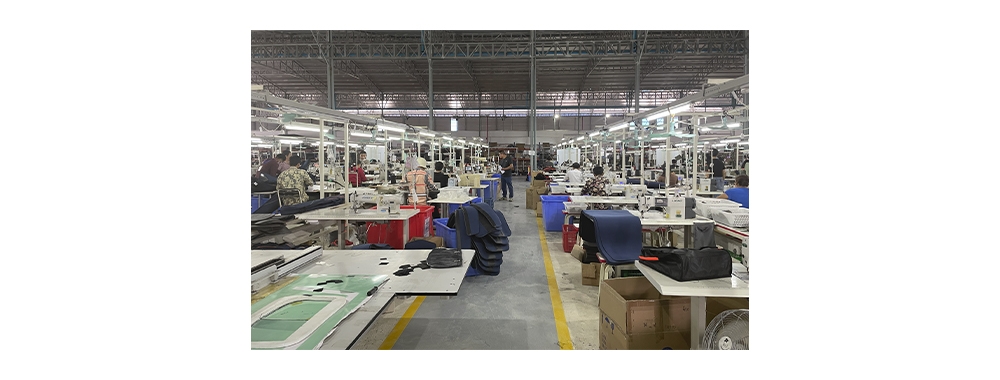
Bei Erstbestellungen über 50.000 US-Dollar oder komplexen Sonderanfertigungen ist ein Werksaudit vor Ort oder per Video dringend zu empfehlen. Bitte überprüfen Sie bei diesem Besuch Folgendes:
- Produktionskapazität vs. angegebene Kapazität
- Sauberkeit und Ordnung
- Ob der Musterraum aktiv und professionell ist
- Ob die QC-Stationen tatsächlich besetzt und betriebsbereit sind
- Arbeitsbedingungen und Schutzausrüstung
AlternativeFalls eine Reise nicht möglich ist, beauftragen Sie ein unabhängiges Wirtschaftsprüfungsunternehmen (z. B. SGS, Bureau Veritas) mit der Durchführung einer Werksbewertung in Ihrem Namen.
27. Auf welche versteckten Kosten sollte ich achten?
Versteckte Kosten, die den Endpreis in die Höhe treiben:
- Mustergebühren: Werden nicht immer von Großbestellungen abgezogen
- Werkzeug-/Formkosten: Für kundenspezifische Beschläge, Logos oder Reißverschlussanhänger
- Druckplatten-/Siebgebühren: Einmalige Einrichtungskosten für den Siebdruck
- Prüfgebühren: REACH, CPSIA oder andere Konformitätsprüfungen
- Verpackungsdesign: Kosten für individuell gestaltete Polybeutel, Anhänger und Druckplatten können anfallen.
- Bankgebühren: Gebühren für internationale Überweisungen (oft 30–60 US-Dollar pro Transaktion)
- Einfuhrzölle und Mehrwertsteuer: Berechnet auf Basis des CIF-Wertes, nicht nur der Produktkosten
- Inlandfracht: Vom Bestimmungshafen bis zu Ihrem Lagerhaus empfiehlt sich die DDP-Klausel, bei der die Ware bis vor Ihre Haustür geliefert wird, wenn Sie nicht regelmäßig importieren.
Schutz: Fordern Sie eine detaillierte Kostenaufstellung inklusive aller oben genannten Kosten an, nicht nur den FOB-Einheitspreis.
28. Wie gehe ich mit Mängeln oder Qualitätsstreitigkeiten um?
Bewährte Verfahren zur Streitbeilegung:
1. Alles dokumentieren: Fotografieren Sie die Mängel anhand des versiegelten Goldmusters. Notieren Sie Anzahl und Art der Mängel.
2. Kategorisieren Sie den Schweregrad: Kritisch (sicherheitsrelevant), Schwerwiegend (Funktionsausfall), Geringfügig (wie Gewindeenden).
3. Abhilfe aushandeln: Zu den Optionen gehören Nacharbeit auf Kosten des Herstellers, teilweise Rückerstattung, Ersatzlieferung oder Gutschrift für zukünftige Bestellungen.
4. Bedingungen im Voraus definieren: Fügen Sie Ihrer Bestellung eine schriftliche Qualitätsklausel hinzu, in der die Haftungsfrist des Herstellers und die Abhilfemöglichkeiten festgelegt sind.
Vorbeugen ist besser als Heilen: Eine gründliche Vorversandkontrolle deckt 90 % der Probleme auf, bevor der Container das Werk verlässt.
29. Wie baut man am besten eine langfristige Beziehung zu einem Hersteller auf?
Langfristige Partnerschaften basieren auf:
- Klare, dokumentierte Kommunikation: Vermeiden Sie mündliche Vereinbarungen. Bestätigen Sie alles schriftlich.
- Stabile Bedarfsprognose: Teilen Sie uns Ihre Bedarfsprognose für die nächsten 6 oder 12 Monate mit, damit das Werk Kapazitäten und Materialbeschaffung planen kann.
- Pünktliche Zahlung: Zahlen Sie immer pünktlich. Nichts schafft schneller Vertrauen.
- Konstruktives Feedback: Wenn Fehler auftreten, konzentrieren Sie sich auf systemische Lösungen anstatt auf Schuldzuweisungen.
- Gegenseitiger Respekt: Erkennen Sie an, dass die Rentabilität des Werks für die Stabilität Ihrer Lieferkette unerlässlich ist.
Abschließender Gedanke: Die richtige Frage ist wichtiger als die richtige Antwort.
Jede Fabrik wird Ihnen versichern, dass sie „hohe Qualität“ und „wettbewerbsfähige Preise“ bietet. Der Unterschied zwischen einer reibungslosen Partnerschaft und einem kostspieligen Fehler liegt in die Fragen, die Sie stellen, bevor die erste Einzahlung erfolgt.
Nutzen Sie diesen Leitfaden als Checkliste bei Ihrer Lieferantenbewertung. Die Fabriken, die diese Fragen präzise, transparent und überzeugend beantworten, sind diejenigen, auf die es sich lohnt, Ihre Marke aufzubauen.





 NETZWERK UNTERSTÜTZT